Happy New Year!

What’s your New Year’s resolution? I’ll share mine.

My resolution is to become part of and help inspire an entirely new breed of “occupy movement”. It’s an occupy movement that in my view matters more than any other in that it is foundational to everything else we might hope to accomplish in our lives or in reforming our society.

My proposal is that we all make the decision, here and now, to “occupy” our Primal Bodies and Minds by first and foremost “occupying” our Food.

“Say WHAT?” you say?

By this, I do not speak of pitching tents and carrying signs with fist-waiving slogans or pitchforks, complaining about what others are doing to us or taking from us (and then waiting for something magical to happen). –In saying this I do not mean to denigrate what is born of an important awakening across the globe through the greater “occupy movement” taking place. It is heartening to see the shift in consciousness happening across the globe. I would submit that this movement is yet in its infancy and has yet to find its power through actionable and systematically focused purpose. I believe the essential foundational starting place must be–first and foremost—to take up our own quiet and immeasurable power through taking responsibility for our own health.

This means nothing less than a commitment to fully conscious eating, awareness of where our food comes from and the impact this has on our single most important commodity:  our mental and physical health.  This means a new level of personal responsibility.  This means no longer “feeding” the “1% agenda” by blindly accepting what we are told by mainstream sources about profitable and damaging dietary myths. This means saying NO to laws that restrict our access to healthy unadulterated food, saying NO to efforts being put forth to restrict our access to quality nutritional supplements or alternative care options of our choice (yes—these things ARE being restricted increasingly world-wide as we speak). This means saying NO to forced acceptance of GMO’s, food additives and preservatives, pesticides, gluten-containing foods (and crappy, pseudo-healthy, processed “gluten-free” foods), monoculture agriculture, factory farming, and inhumane commercial livestock/feedlot practices. This means speaking up in restaurants and grocery markets and making known your preferences and demands (diplomatically, of course) for the kind of quality food you expect and what you will no longer buy from them. This means making every effort to avoid the processed garbage being sold as food and also looking in the mirror and becoming candid with ourselves about our addictions, vulnerabilities/weaknesses and unconscious avoidances of these issues.

Such a movement will never work if it is “led” by any one person. Charisma or no charisma–enough already with those who pretend to lead us. Leaders can easily become corrupted by power, or derail whole movements through disillusionment generated by their own human failings, or be conveniently “eliminated” any number of ways by those that would rather have them out of the way, thereby rending those they lead undirected and impotent. We ALL must become our own sovereign leaders that set an example for everyone else we hope to influence. We must all become our own best ambassadors. We also need to speak up! We must act peacefully but uncompromisingly in our quest for creating our own best possible health and food supply.

It’s not too late (hey–there’s still a little time left on that Mayan calendar). We CAN do it. Not only that—but we MUST do it. Nothing else matters if you lose your mental, neurological or physical health. In the event of any devastating medical diagnosis in your family will fighting for the state of the economy, the environment, human rights, truth in labeling, political or banking reform, the overthrow of multinational corporate dominion of the system, or anything else really matter? Heck, it wouldn’t even take more than a little brain fog to shut down most people’s capacity to give a rat’s behind.

If we as a society are to succeed in creating a better world for ourselves and our children, then each of us must all first begin with the state of our own health and well-being. Think foundationally. Without that, the rest is nothing. –Believe me, the arrogant, over-stuffed, power-addicted and relentlessly strategic 1% totally get this. They make it as difficult as possible for us to get a grip and hang on to it through any number of distractions, misinformation/disinformation, efforts to divide and conquer through petty polarization on every front, seducing us with mindless entertainment and indulgences that numb our minds and neutralize our defenses. They also work insidiously to undermine our food, air and water quality, and by keeping us in reaction mode. With every person empowered by mental and physical health and just a “titch” of conscious awareness, everything becomes possible and the so-called “global elite” are basically screwed. On the other hand, enfeebled and destabilized by sub-optimal health we become vulnerable to fear, reactiveness, cynical or negative thinking, apathy, distraction and ultimately failure. Then we all lose.

Mahatma Gandhi once said “We need to become the change we wish to see in the world.” The kind of change we all want to see with the healthcare (read: disease management) system, the degraded, depleted and contaminated food supply, the corporate control of the media, politics, education, food production, water and even the air we breathe all become possible the moment we decide to become conscious and simply say NO to the “1%”agenda by deciding what we are willing and not willing to accept any longer. We also need to go out of our way to make sure we are operating within our own integrity and not compromising those standards for the sake of convenience or temptations. It’s up to each and every one of us.

We don’t need a rally for this part of it. We don’t need cardboard signs. We don’t need to rush into our nearest outdoor supply store to buy a tent. We just need to wake up, clarify our priorities (making your health first and foremost among them) and then set out to act consistently with them. Hey—it’s simple! And it’s immeasurably powerful.

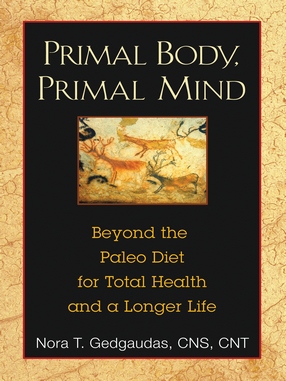
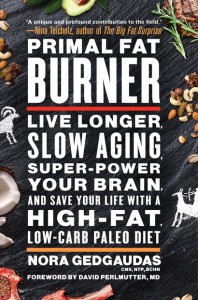
In my book, Primal Body, Primal Mind I systematically address numerous myths, expose serious issues and challenges with our food supply and propose a way of eating that is as close to optimal for mental and physical health and our longevity as is currently possible. It’s based in part on the original diet of our Primal ancestors and also new developments in modern science. For some this represents a radical departure from the manner of eating and thinking about food to which they have become accustomed or simply unquestioningly accepted. For a few of these, the approach to health I propose may seem somewhat extreme in light of what is accepted in the mainstream and what some are most comfortable with. I would propose, however that the “extremes” are in the marketplace, the environment, the politics, in the manner in which Big Agribusiness has hijacked the agricultural system globally and in the way large multinational corporations are seeking to control and contaminate every aspect of our food supply to its complete detriment. This has also resulted in our increasingly limited access to simple, genuinely natural unadulterated food. THAT is what is extreme. None of us should have to go so far out of our way to find real food that is safe and nourishing.

Those of us going out of our way to find clean, quality unadulterated food aren’t crazy or extreme…just informed.

In response to the sometimes naïve and self-rationalizing mantra “Everything in moderation” I would ask: How much compromise to your health (or your children’s health), well-being, cognitive function, emotional well-being, immune system, or anything else are you feeling the need to enjoy “in moderation”? In the end it becomes a matter of what we ultimately prioritize in a world where there is precious little room for error for the “99%” of us. For Homer Simpson and others like him, it’s Duff beer and donuts. Or the convenience of fast food, pizza delivery, processed, packaged food, momentary short-sighted indulgences and/or blissful ignorance.

Yep–Score one for the 1%.

D’oh!

Like “boiling frogs” we’ve become gradually desensitized to the deterioration and contamination of our food supply, the environment, the laws (favoring profit-driven interests) that govern these and state of our own health standards. As long as we’re above ground and can get up and go to work every day we think we’re healthy. We are easily distracted by trivial or day to day things while everything worsens. We somehow rationalize unconsciously that it’s up to others to make things better. As I said in Primal Body, Primal Mind, we are truly now living in a world and in a time where there is no longer any room for error with respect to what we must do to maintain our mental/physical health and survival. Where there is so much of our environment outside our control, we must take control of what we can.

The truth is we do need to go out of our way in this day and age—and we also need to demand what we want. This does not mean acting like a 13 year-old drama queen having a hissy fit over every little thing she doesn’t like and whining about the inconvenience. Decorum, folks! Simply refusing to spend money on processed, genetically modified, adulterated, inhumane or inferior products (and making sure those that are selling them know why) can be the ultimate protest and the only method of voting that corporate interests ultimately pay attention to. For that matter, simply go directly to those producing the kind of food that meets your standards and buy from them. Rather than focusing on what we don’t want instead focus on what we DO want and make the 1% irrelevant. Be positive and proactive. Poof! That’ll show ‘em. It really takes extreme vigilance and informed know-how to recognize real food anywhere anymore for many of us unless we know the source firsthand. It is everyone’s responsibility to change this by changing our own individual choices and actions.

As with anything, transforming the way you eat along with the way you feel and think about that, as well as transforming your habits and your body, mind and health is a process. It doesn’t happen in its entirety overnight, yet radical change can begin in an instant—the instant you make the decision to no longer accept the status quo and decide to truly commit to a new and far better way of life.

Keep in mind this is not just a diet we’re talking about, but is a way of life that will transform your entire being—and quite possibly many others around you by your very own example.


A few basic steps:

  • Read (or re-read) my book. Understand not only what you need to do but really absorb the “why”.


  • Develop an intimate first hand knowing of where your food actually comes from to the extent possible by patronizing local farmer’s markets and getting to know the farmers


  • Inform your grocers about what you do and don’t like about what they carry. The good ones WILL listen!


  • Speak up in restaurants about your preference and/or requirements for 100% grass-fed meat, locally grown organic produce, non-GMO foods, and gluten-free options. If enough people ask for these things they WILL eventually listen.


  • Buy at local food co-operatives. Buy from the sources working hard to do the right thing. Learn to grow, hunt, fish or raise your own food. Maybe even start your OWN co-op or buyer’s club!


  • Stick to what our ancestors would have recognized as actual food—minimally processed, humanely and responsibly grown or raised (totally grass-fed).


  • Learn to read labels—every time (I have to remind myself of this one, too).


  • Pay attention to what is happening!


OK…I’m climbing down off my soapbox now.


In closing, I’d like to share a video about a rancher in Australia named Rob Blomfield who, after suffering a multitude of setbacks to the quality of his health over many years made a conscious choice to take charge of his own health and make some real changes after reading my book. The result on his health and sense of well-being has been nothing short of miraculous—but more than this he has inspired an entire community of farmers and ranchers around him to do the same. Through all this he also cultivated a greater awareness of his own importance in overseeing the quality of the food supply for others and the health of the soils fostered by his ranching practices. Rob’s humble charm, quiet integrity and genuineness alone speak volumes in this two-part video (filmed at the University of New England in Armidale). Enjoy!


Part One

Rob compares his old diet (standard Australian diet) with his new diet (Primal Body, Primal Mind diet) and how he transitioned to a healthier way of eating and feeling.  Basically from eating lots of starchy carbohydrates to eating protein, fat and vegetables and no processed foods.


Part Two

Rob tells the audience what happens to his body after going on the Primal Body, Primal Mind Diet. Before changing his diet, he felt like a 60 year old going on 70 years old. Now after being on the diet for a few months, he feels like a 40 year old!  His analogy of people on the typical standard Australian (or American) diet is spot on.


Rob was also interviewed for a news story in a widely read publication called “The Land”.

What’s Your New Year’s Resolution? 


One of the most common complaints one hears about from friends and family these days is not having enough energy.  Energy drinks, bars and supplements, not to mention the ubiquitous presence of coffee shops on almost every corner in every city are a testament to these complaints and they are also BIG business.  Of course, when it comes to so-called “energy drinks” and caffeine we’re not talking about generating real lasting energy so much as we are talking about adding a jolt to the system in the form of a stimulant that provides the short-lived illusion of energy.  That said, one thing virtually all these products has in common is that they can dramatically spike your blood sugar levels.

So…that’s a good thing, right?

Well…

Anyone who takes a conventional course in nutrition, medical school, nursing school or any chiropractic or naturopathic school today will likely be taught that their brain, tissues and organs greatly depend upon sufficient blood sugar to fuel energy, maintain their day to day energy supply and fuel all their metabolic processes.  We are taught that “blood sugar” is important—critical, even–and that it must be sustained and regularly managed for optimal health. Unfortunately, this is only a conditional truth at best and one that conceals a rather mammoth sin of omission that is overlooked by nearly everyone.  The fact is that we are all one of two things:  we are either a “sugar burner” or we are a “fat burner”.  Perhaps since fat is (erroneously) assumed to be inherently evil, nothing about its potentially vital role in all aspects of health or primary energy production is ever discussed.  We are encouraged to avoid it at any cost and not ask any questions.

Blood sugar management is big business, too.  VERY big business.

We are taught that complex carbohydrates—up to 11 servings a day of grains, beans, rice, potatoes, pasta, etc should form the very basis of our daily food supply, with only honorable mention given to (what they insist should be) LEAN meats and fish, lots of fruits and veggies and next to no fat of any kind (other than perhaps a dollop of olive oil).  Alongside the lonely morsels of fat at the top of the food pyramid lie the sugary snacks…to all be eaten sparingly.  We are also taught to “eat a large breakfast” and many nutritionists admonish us to eat a small snack every couple of hours between meals “to keep that blood sugar up”.

So is the need for “blood sugar” for our energy real and valid…or is it just like its initials would suggest: “B.S.”?

As with many things the answer is “it depends”.  But what if the basic essentiality of blood sugar for our brains, organs and day to day energy was really a myth?  In fact, what if that dependence on “blood sugar” for our day to day energy actually did more harm than good?  What if there was an alternative?  Not only this, what if that alternative were the very fuel we were actually designed to depend upon nearly all the time from the very beginning and that very fuel were the one you actually had the hardest time using… all because you are too busy fueling yourself with sugar?

Come closer…and fasten your seat belt.  You are about to undergo a bit of a paradigm shift.

As with many things, certain things can be conditionally true, within a certain context.  Case in point:  IF you are metabolically adapted to depending on sugar as your primary source of fuel (and all non-fiber carbohydrates are sugar once they hit your bloodstream) then you must of necessity continue to refuel yourself with foods that keep these blood sugar levels elevated so there is no interruption in the energy supply.  Many people experience these interruptions of steady blood sugar supply as mood swings, brain fog, fatigue, irritability, jitteriness, problems thinking, and cravings for anything that will boost those sugar levels back up.  For some people this is experienced as more of an extreme urgency than others.  Either way, the dependence on sugar as a primary source of fuel is more or less the same in those adapted to it with a variable manifestation of consequences

So what does this mean?

If we are to look at the macronutrients in our diet (carbohydrates, protein and fat) strictly from the standpoint of the energy they provide our “metabolic fire”, then carbohydrates in this context can be viewed as a form of metabolic “kindling”.  Brown rice, beans and whole grains could effectively be viewed as “twigs” on our metabolic fire.  White rice, cereal, potatoes, pasta and bread would be “paper” on the fire and substances like alcoholic beverages would readily constitute “gasoline” on that metabolic fire.

Now I’m from a very cold place called Minnesota originally so wood stove analogies work well for me.  If you have ever had to heat your living space with a wood stove you know that the fire in it has to be fed.  If all you had to feed that fire was kindling (twigs, paper and gasoline) you could certainly do it.  The problem is that you would be able to think of or do little else but stay perched in front of that stove, loading it up with handfuls of twigs and wadded up paper all day long just to keep it going.  The flames would flare and die down relatively quickly and you’d need to add more fuel with fairly constant regularity.  God forbid you should need to take a bathroom break or run an errand.  By the time you returned to the stove the fire would be nearly out and you might need to resort to some gasoline to shock it back to life again, just so the process could continue.  Good luck sleeping, too.  Even if you could attach an alarm to the stove to awaken you when the fire got too low you would be awakened well before you were fully rested in order to feed the hungry flames (hmmmm…there’s an analogy here).  In essence you would be enslaved to that wood stove and your preoccupation with it would of necessity be relatively constant.  The flames would rise and fall like a roller coaster ride.  Much as I love a good wood stove fire, though (or carnival ride) that would be anything but my idea of a good time.

What if instead you were to place a nice big “fat” log on the fire?  All of a sudden you would…have a life! –What a concept!!  You could leave the house and run errands.  Heck–you could even get a good night’s sleep!  By morning if the fire was burning low all you’d need to do is grab another big log and toss it in.  You wouldn’t need to think too much about it most of the time and your fuel wouldn’t take up too much space, either.

Sugar is best described metabolically as “rocket fuel”.  It burns best anaerobically (in conditions of low oxygen—as while sprinting or extreme exertion).  Far from being a steady, lasting or reliable fuel, sugar burns very hot and very fast.  How badly do you need rocket fuel in your car to go most of where your car takes you day to day?  Do you really want to have your engine burn that hot all the time?  Don’t racing cars need a lot more maintenance in part because of that?  Increased metabolic heat also makes for a very hungry engine.

Sugar’s presence additionally attracts what is termed “free radical activity” which leads to unhealthy oxidation (damage) of tissues.  Sugar also undergoes a process known as “glycation” in the body where molecules of sugar combine with proteins and fats there and cause them to become sticky, misshapen and start to malfunction.  This in turn leads to even more free radical damage and basically fuels the degenerative aging process.  The brain and nervous system are particularly susceptible to all this as they don’t respond much to insulin and are therefore more likely to be bombarded with all the dangerous stickiness.  In diabetics and alcoholics this can result in accelerated forms of neuropathy, organ damage and degenerative brain conditions.  In others, glycated tangles of amyloid proteins eventually lead to a diagnosis of Alzheimers…technically a form of “brain neuropathy”.  Advanced glycosylation end-products (A.G.E.’s) lead to mutations in DNA and help potentiate cancerous processes which blood sugar additionally feeds the growth of.  In short, it ain’t pretty.

Most people feed themselves as if there were no alternative to running their metabolic fires other than kindling.  Food advertising consistently supports this.  Told to eat “low fat”, many people instead eat diets high in addictive sugar and starch in order to feed (and feed) themselves.  Those that don’t care about “low fat” eating often eat large amounts of sugar and starch along with dietary fat, which has its own brand of consequences.  Dietary fat in the presence of carbohydrates (sugar and starch) behaves very differently than dietary fat in the absence of carbohydrates.  The dietary fat in the presence of sugar and starch is far more likely to be stored as excess and also to become damaged through peroxidation, as the body looks to preferentially burning off the sugar to get the excesses out of the bloodstream quickly and as sugar combines with the fat to damage it and make its presence more problematic than it otherwise would be.  And as long as insulin is present (in other words, as long as dietary sugar and starch keep coming in) it becomes impossible to burn fat at the same time.  Weight gain is the most common consequence, but there is more to this.  You can be skinny and athletic and also suffer serious consequences from a dependence on sugar burning.

Depending on blood sugar for your primary source of fuel means you will be hungry more often and that you may experience regular cravings.  It also means you must eat regularly or else suffer energy and mental and physical performance loss.  Consider the animals that are natural (what I term) “carbovores” (herbivores and ungulates).  What do you see them doing ALL day?  Their faces are on the ground and in the bushes continually.  Eating for them is constant.  I, for one have far better things to do with my time!

It additionally means the quality of your moods and thinking are often hugely dependent upon that steady supply of fuel.  You might also require caffeine to boost your kindling supply first thing in the morning if that supply gets too low, or you may crave alcohol in the evenings.  If you manage this balancing act poorly by regularly eating high glycemic foods then over time the swings can become greater, along with more symptoms typically associated with blood sugar lows: fatigue, anxiety, irritability, explosive anger, jitters and more cravings.

Addiction to the fastest form of this rocket fuel is called “alcoholism”.  This is why recovering alcoholics are never considered “fully recovered” even after stopping their alcohol use.  Most are still suffering from constant sugar cravings, using things like caffeine and even nicotine to boost their blood sugar in the absence of alcohol.  They often crave sugary sweets and beverages, but the craving for alcohol never fully goes away because the underlying condition has never actually been addressed: an addiction to sugar.   In others, the tidal waves of insulin needed to lower excessive blood sugar would over time lead to either something termed “reactive hypoglycemia” or deeper states of clinical hypoglycemia.  –Or (taking it in the other direction) the same bombardment can eventually lead to insulin resistance, obesity and metabolic disorders.

Insulin resistance occurs whenever there is a breakdown in communication between blood sugar and insulin.  Through unrelenting bombardment of insulin the cells eventually become resistant to its constant message.  It starts to take more and more insulin to get the same message across.  Eventually blood sugar that can’t go anywhere creeps up in the bloodstream and other tissues to a point where finally one becomes diagnosable as type 2 diabetic.  On the way there, obesity is basically often the price you pay for avoiding becoming diabetic…at least as long as your pancreas is willing to continue supporting the effort.  It is possible, however, to be skinny and be diabetic also.  Being slender is not necessarily synonymous with optimal health (see my “Top 10 Nutritional Mistakes” on my web site: www.primalbody-primalmind.com).

Who benefits from diets based in carbohydrates?  Certainly not the people who are forced to live this way.  The food industry, diet industry, big agribusiness, the pharmaceutical companies and ultimately the petroleum companies (upon which big agribusiness and others are dependent) all make out like bandits, though.  For them it is immensely profitable to have the entire world depending upon carbohydrates—particularly addictive grains—as their primary source of fuel.  The vast majority of advertising dollars spent are designed to support these interests.  And schools of all kinds are, in turn, encouraged to teach whatever maintains the profitable status quo.

If, instead, one elects to metabolically adapt ones-self to becoming a fat burner—someone who uses sufficient dietary fat to satisfy one’s appetite (while simultaneously avoiding sugar and starch) this forces the body to adapt to fat as a primary source of fuel for their metabolic fire.  What is the result of this basic metabolic change?

You have now become free.  You have effectively removed the constant need for “blood sugar” for your primary energy, mood or cognitive functioning.

All of a sudden eating becomes more of a choice rather than a constant necessity.  Energy levels maintain more constancy and an even-ness that allows for clearer thinking and stable moods.  Your Ice Age-forged body no longer is in the business of greedily storing fat from the carbohydrates you were eating and is freer to burn stored fat for fuel, both away from constant presence of insulin and recognizing that as long as there is “enough” fat at mealtime that “hunting must be good”—therefore stored fat can be comfortably spared and utilized for energy.  Not only this, but you suddenly find your food bills lessening considerably.  The natural dietary fat you eat quickly fills you up and leaves you less hungry, with cravings rapidly becoming a thing of the past.  Insulin sensitivity becomes gradually restored, and all that this implies.  Sleep becomes more restful.  Aging slows and becomes more graceful.  You begin to look and feel younger.  Energy is never in short supply.

In becoming a “fat burner” one comes to depend instead on something called “ketones” which are the energy units of fat, as well as using free fatty acids for fueling almost everything sugar did before.  –The big difference here is that fat fuels it all longer, better, more consistently, reliably and more evenly.  And also far more cheaply.  Our body still maintains the ability to utilize sugar in the event of an emergency (as sugar still constitutes our best “rocket fuel”) but is able to make use of supplies of ATP, existing blood glucose and stored glycogen to easily meet this more episodic demand.

I write much more about what it takes to make this metabolic conversion in my book, Primal Body, Primal Mind.  It’s far easier that you might think (or than certain corporate interests might want you to know).

But don’t we still need blood sugar all the time?

Well, it turns out that the only tissues in the human body that MUST have a small amount of blood sugar at all times in order to survive are our red blood cells. They feed anaerobically in order to spare their precious cargo, which is oxygen.  Every other tissue in the body—including the brain—can run beautifully and far better on ketones.  As it turns out, one can manufacture all the glucose your body needs from a combination of protein and fat in the diet.  In fact, the only macronutrient for which there is no actual dietary human requirement is carbohydrates.  We never have to eat them at all!  And if we want to be optimally healthy and live longer, cutting out the carbs (all the sugar and starch) can only improve your health and well being in the long run.  Low insulin levels are the single biomarker that most consistently characterizes all the longest lived individuals.

Good thing, too.  If Nature had been so stupid as to design us to be dependent on sugar as our primary source of fuel we likely never would have survived the extremes of the Ice Ages.

Either that, or we’d still be swinging in the trees.

For more information about this and much more look for the book: Primal Body, Primal Mind: Beyond the Paleo Diet For Total Health and A Longer Life and go to www.PrimalBody-PrimalMind.com.

~ Nora T. Gedgaudas, CNS, CNT

________________________

From Life Extension News:

04-28-11

“Researchers from Mount Sinai School of Medicine have for the first time determined that the ketogenic diet, a specialized high-fat, low carbohydrate diet, may reverse impaired kidney function in people with Type 1 and Type 2 diabetes. They also identified a previously unreported panel of genes associated with diabetes-related kidney failure, whose expression was reversed by the diet. The findings were published in the current issue of PLoS ONE…

“Our study is the first to show that a dietary intervention alone is enough to reverse this serious complication of diabetes,” said Dr. Mobbs. “This finding has significant implications for the tens of thousands of Americans diagnosed with diabetic kidney failure, and possibly other complications, each year.”

The researchers also identified a large array of genes expressed during diabetic nephropathy not previously known to play a role in the development of this complication. These genes are associated with kidney failure as a result of the stress on cellular function. The team found that the expression of these genes was also reversed in the mice on the ketogenic diet…

Dr. Mobbs and his team plan to continue to research the impact of the ketogenic diet and the mechanism by which it reverses kidney failure in people with diabetes, and in age-related kidney failure. He believes the ketogenic diet could help treat other neurological diseases and retinopathy, a disease that results in vision loss.”

Notice where I bolded where they talked about reversing the genetic expression of the disease!  This is HUGE (as are its broader implications).

Naturally, they’re embarking on a quest to find a drug that can “mimic” the effects of a ketogenic diet….Sheeesh!  HELLO!!!

To read the Life Extension News article, click here

The very term RADIATION conjures nightmarish images of mushroom clouds, apocalyptic scenery and people dying slow, agonizing deaths. Then again, one doesn’t need an imagination to turn on the news and see the mounting horrors and suffering of Fukushima or the gaseous plumes erupting from the enormous, multi-reactor nuclear facility there.

In some respects the press is having a field day with this simply because it is BIG news…and in other ways many of us suspect we aren’t being told the whole truth and paranoia is reigning supreme. What and who can we believe? We know the Japanese are in deep trouble and we fear for them but we also wonder (and reasonably so) how much we here in the Unites States and elsewhere in the world have to fear from not one, not two, but THREE nuclear reactors in a now-undeniable state of melt-down . We know the radiation has already been making its way over the Pacific and that radioactive elements from this disaster have already begun showing up in places like California, Oregon Washington and across the entire United States, including the Midwest clear over to the East Coast. Radiation from this event is primarily circulating the northern hemisphere now but will ultimately show up everywhere…and it will continue to circulate our planet essentially forever. It is a part of our lives, believe it or not and like it or not.

So what can we do? How do we protect ourselves and to what extent?

The popular trend right now is to start guzzling potassium iodide as though it were some sort of magical all-protective potion that can save us from the horrors of radiation-induced illness. Emergency preparedness outlets and online supplement retailers are making a killing and are getting wiped out of their iodine inventory.

Slow down and get a grip, folks! Please take a moment here to think about what you’re doing!

I value iodine as much as the next guy, but its supplementation is not for everyone and it’s certainly not a magical potion. –Not only that, you could actually be taking some risks and worsening your own health in the process. For starters, keep in mind that radioactive iodine 131 is primarily a danger to an iodine-deficient thyroid…but also radioactive iodine 131 (half-life 8 days) is only one threat among many that one may face with radiation particulate exposure. There is also radioactive Cesium 134 (half-life 2 years) and 137 (half life 30 years), radioactive strontium-90 (half-life 28-29 years) and (with this particular disaster) plutonium (half-life 27,000 years), as well as the intense oxidative free-radical activity and DNA mutagenic properties of ionizing radiation and its particulate elements that may enter our food chain, our lungs through the air we breathe and our water supplies. Iodine is no panacea for this. Not even close.

There is a fine line we must tread between denial and fear mongering. Falling to one side or the other of this line does not serve us. We need to face this rationally if we are to have the best chance of getting through this stressful, vulnerable time intact. Reality for better or worse is grounding and sobering…and we all need to become as grounded and sober as possible to navigate clearly in these uncertain times. Both paranoia and denial get us into trouble.

Paranoia leads us to rash, desperate and impulsive behavior….and conversely, if your head is in the proverbial sand in a state of denial then, well, let’s just say your butt is in the air.

I have been getting inundated with e-mails from friends, clients and fans concerning the question of whether to take iodine at this time and what to do. Keep in mind that I am fully able to sell supplements to my clients and could be making a real killing right now in potassium iodide sales, if I so chose to. As such, I am neither advertising nor recommending it, and (in case you’re curious) I am not personally taking it. There is a very real concern that can come with haphazard iodine supplementation, despite the fact that in my book I share information concerning the need for iodine and the common deficiencies leading to numerous health problems. –All true, but it’s simply not for everybody. I am personally able to take iodine supplements if I so choose without much risk, but am relying mostly right now on iodine-rich foods and focusing more on other aspects of my own health and immune function.

Basically, I see four potential problems with haphazard iodine supplementation:

  1. The potential for iodine sensitivity or “allergic” reactions in certain sensitive people
  2. The potential to either trigger or significantly exacerbate autoimmune thyroid issues
  3. Detox reactions resulting from overly rapid displacement of toxic halogens
  4. Finally, there is the risk of what is referred to as “iodism” (basically iodine poisoning).

To further clarify each point:

#1:  Iodine allergies (which many people would probably know they had….but there are always a few that may not) can include symptoms such as itching, throat swelling, rash, fever, joint pains, hives and other typical and more severe allergy symptoms including the potential for anaphylactic shock and death.

#2:  The body uses iodine to manufacture the enzyme called “Thyroid Peroxidase”, also known as TPO.   The very thing autoimmune thyroid (Hashimoto’s) individuals are producing are TPO Antibodies, resulting in cytokine (inflammatory) “storms” and destruction of the thyroid.  Not pretty.  IF you have consistently tested negative for TPO antibodies (I say “consistently” because even those with full-blown Hashimoto’s will have periods of time where TPO antibodies may register as “negative” during quieter phases of the illness), and if taking iodine has not led to any symptoms of discomfort for you, then supplementing with iodine might be an OK or even beneficial thing.  It is an essential element, after all.

Note, however, that overdoing iodine or “loading” iodine too quickly can also stimulate over-activation of the thyroid in certain individuals in general, leading to possible heart palpitations, nervousness, trouble sleeping and anxiety-related issues.  I would be inclined to test for TPO antibodies in such individuals just to be sure it wasn’t an autoimmune activation.

#3:  Finally, iodine is a member of the “halogen” family in the periodic table of elements.  In this same family are chloride (chlorine), fluoride (fluorine) and bromide (bromine).  Bromides are by far the most common halogen toxicity and some degree of “bromidism” is present in most of us. –Sign o’ the times. Pronounced symptoms can include feelings of apathy, difficulty concentrating, headaches and a general mental dullness (don’t get me started on my conspiracy theories about this).  Bromides are in everything from people’s hot tub spas, flame retardant in everything from carpeting and clothing to electronics, it’s used as an anti-caking agent in baked goods and processed flour, it is an additive in certain pharmaceuticals…it’s everywhere.  Most people walking loose are chock full of these toxic halogens, which (among other nefarious things) can have the effect of displacing our friend iodine from its natural receptor sites.  Taking larger doses of iodine can theoretically be used to displace these halogens and reclaim its proper place in your tissues…but these toxic halogens can reap havoc in a body unprepared for handling a detox or utilizing iodine properly.   Detox reactions can include flu-like symptoms such as fever, chills, nausea and diarrhea, emotional crises (odd, but I’ve seen it), headaches, skin eruptions (i.e., rashes, acne and unpleasant secretions), sleep disruption, appetite disturbance, brain fog and extreme fatigue.  –Not my idea of a good time.

#4: The medical dictionary defines iodism as “an acute or chronic intoxication caused by the ingestion or absorption of iodides. Manifestations of acute poisoning include abdominal pain, nausea, vomiting, hyper-salivation, conjunctivitis, and collapse. Chronic manifestations include hyper-salivation, fever, acute rhinitis, swelling and tenderness of the salivary glands, and dermatitis and stomatitis in hypersensitive individuals. Iodism is a toxic condition that sometimes follows the use of preparations containing iodine.”

In certain individuals clearly deficient in iodine who are interested in improving this, it makes sense to prepare the body for what is termed “iodine loading” by first and foremost testing one’s thyroid to be sure autoimmune issues are not present (PLEASE). Some of the symptoms of iodine deficiency may certainly include hypothyroidism, symptoms of which are extreme fatigue, goiter, mental slowing, depression, weight gain, and low basal body temperatures. Make certain it isn’t autoimmune in nature (do NOT just assume it isn’t just because your doctor never mentioned it).

Breast cancer has also been associated with iodine deficiency (as well as low thyroid and autoimmune thyroid tendencies…so TEST!). Fibrocystic breast disease. cervical dysplasia, and certain oral and salivary related diseases/problems have additionally been associated with iodine deficiency.

Certain things can predispose one to having an iodine deficiency or an extra iodine need:

  • Living in the “goiter belt” of the US (see below: states in red are where iodine is known to be deficient in the soils—not to be confused with “red political states”)   ;)
  • Tobacco use
  • Excess alcohol use
  • Over consumption of goitrogens (i.e., soy, flax seed, raw cruciferous vegetables, peanuts and other legumes)
  • Oral contraceptives
  • Pregnancy (infants and young children are the most vulnerable to effects of iodine deficiency and radiation exposure, with the developing fetus and newborns the most extremely vulnerable, BUT ALSO these are the most vulnerable to potentially ill effects of excess potassium iodide). Pregnant women should only take iodine under the supervision of a knowledgeable and qualified health care provider.
  • Thiocyanates (herbicides and insecticides) exposure
  • Perchlorates (from rocket fuel and found significantly contaminating many areas—particularly those with little or no rainfall) – turning up in tap water, vegetables and milk almost everywhere nowadays
  • Selenium deficiency
  • And…(tah-dah!) –Exposure to radiation

Once you have determined you really do need iodine (and real radioactive danger is not imminent), then it may be advisable to spend about a month supplying ones-self with increased magnesium, selenium, vitamin C, extra B-complex and good old fashioned full-spectrum sea salt (Celtic sea salt or Himalayan sea salt are best).  It also makes sense to be sure all one’s “avenues of elimination” are open (a healthy, well functioning colon, liver, kidneys and being well hydrated) and that the liver is well supported for both phase-one and phase-two detoxification.  Once the ground work has been laid for iodine’s best utilization then caution should be taken to start with a preferably lower dose of iodine and gradually work up (this is NOT a race) to the full “loading” dose over time (with no bad symptoms), then work back down to a maintenance dose.  It is absolutely best to do this under the supervision of a knowledgeable health care provider. Also, be careful to use a complete source of iodine and not just potassium iodide. As long as you’re not living next to the melting-down nuclear reactor you have time to do this right.

The thing is, if people really want to effectively protect their thyroids from radioactive iodine 131 (only one small component of radioactive danger)—and they’re not living next door to the nuclear reactor—they really do need to build their iodine dosing slowly and very cautiously as I’ve described in order for it to work the way it’s supposed to and be free of potential unpleasant or even dangerous side effects.  I believe it is best to first supply full spectrum iodine, then—if needed or if the radiation concern becomes more realistically serious then add extra potassium iodide to help thwart its radioactive cousin from setting up shop in the body where it doesn’t belong once the plume sets in overhead.  Note that potassium iodide supplementation is really only meant for high dosing short-term, and not long-term use. In the long run we are better off restoring healthy iodine levels slowly and safely than mega-dosing on potassium iodide for any length of time (unless one is at risk for mega-radiation exposure). Given the deteriorating nuclear events in Japan, with confirmed meltdowns occurring in an unbridled fashion as we speak this concern could in time become more pronounced for us.  It’s hard to say. The long term tragedy, of course, is that we ALL will be faced with this potential threat circulating the globe for decades and even centuries to come.  As physicist Michio Kaku succinctly puts it, “nuclear meltdowns are forever”.

Word on the street is that folks are rushing online and into preparedness centers looking for Geiger counters (not cheap) to monitor the dangers. The particulate forms of radioactive material actually carried on the wind and likeliest to reach us here in the US (radioactive iodine-131, cesium-134 and 137 and strontium-90) probably wouldn’t budge a Geiger counter but could very potentially damage your DNA and enhance your risk of any number of cancers markedly if you happened to come into contact with the through your food, skin or lungs. The unfortunate reality is that we all will come into contact with these elements sooner or later to at least some extent as this nuclear meltdown nightmare will not be going away in any of our lifetimes. It is part of our day-to-day reality now and in our future (and children’s future). Detectable levels of radioactive fallout in the US have been already found as far east as Florida and the Carolinas. Right now the northern hemisphere is circulating most of it in its jet-stream but eventually the southern hemisphere will be involved, as well. There is no escape from all of it.

So what can we do?

First and foremost, do not panic!

I believe where radiation exposure is concerned with where we are here in the States our primary concern should be mainly taking the best possible care of our overall health that we can as a foundational defense, which can actually go a long way toward enhancing our resilience. There really isn’t anything one can do to avert all the potential problems with radiation, other than avoiding exposure as much as possible.  In my book (which I wrote long before this nuclear disaster—more true than ever now) I make the case for the fact that we are living in a time where we really have no room for error anymore and simply do not have the luxury of enjoying empty indulgences.  We can’t approach our food any more as a nutrient-devoid source of entertainment.  We have to really nourish ourselves as our ancestors once did (with real, nutrient dense naturally produced and unprocessed food), avoid overly provoking insulin and free radical activity and take care to include lots of antioxidant-rich vegetables and greens.  Balanced natural fat strengthens the brain, immune and nervous system and sugar and starch destabilize and suppress the same, making us vulnerable to environmental and free radical onslaught, as well as inflammation.  –Avoid it.  Get adequate sleep/rest.  Manage stress in any and all ways possible (that’s the REAL killer).  Drink plenty of purified water.  If you can, do far infra-red saunas for general detox.  Cells in the bone marrow and GI tract are particularly susceptible to radiation exposure. Your blood health and digestion are areas potentially requiring extra care. The most important key is in our dietary and lifestyle foundations…not the supplements we take.

YOUR MOST EMPOWERING TAKE-AWAY MESSAGE HERE:

It may well turn out that the principles outlined in my book, Primal Body, Primal Mind are the best possible guidelines for supporting a cancer-free life (cancer being the most frightening consequence of radiation element exposure) in existence. There are four primary things to consider where any risk of cancer is concerned: The #1 most necessary substance in order for cancer to take a foot-hold in anyone is sugar (in any form or guise). Sugar is cancer’s primary and nearly sole source of fuel. The more carb-free you are the less welcome cancer will ever be in your body. The next key to a cancer-free existence is low insulin levels. Stimulating insulin through excess (particularly) carbohydrate intake also stimulates cellular proliferation. If you happen to have DNA damage or mutation happening then cellular proliferation is decidedly NOT a good thing. That’s what cancer growth is all about.

You may also recall the part in my book about mTOR (mammalian target of rapamycin). Eating but not exceeding sufficient protein intake per day (0.8 grams of protein per kg of ideal body weight and no more than 25 grams of actual protein in a meal) helps not only keep mTOR and cellular proliferation from activating but by keeping mTOR suppressed this has the effect of enhancing DNA repair! –The best of both worlds. Also, keep in mind that a significant percentage of protein consumed that is in excess of what you actually need for your daily maintenance and repair will convert to sugar and get used exactly the same way. This is why the modified caloric restriction I talk about in my book has such longevity enhancing effects and why cancer is so non-existent in these subjects.

Making natural fats and anti-inflammatory EFA’s the primary source of fuel in the diet and establishing a dependence on ketones (instead of glucose) as a primary source of fuel provides steady energy for virtually every single cell in our body and brain—and furthermore, cancer cells cannot make use of ketones for fuel. A ketogenic diet is literally a cancer-starving diet. In addition, natural fats feed the lymphatic system and strengthen the immune system. Fat is where it’s at!

Finally, by enhancing our intake of fibrous vegetables and greens (and by maybe adding a few green drinks) we substantially improve our cancer-thwarting phytonutrient and antioxidant intake. Consuming enough fat to keep your appetite satisfied puts the proverbial (low carb) cherry on the sundae and helps fuel us in a very stable way for longer periods of time on less. We all need to learn to do with less and indulge less in these economic and environmentally dubious times. It simple makes sense.

EXTRAS (just as an FYI or if desired or needed):

If your inner “foundations” are in order and you want to do something extra, you can add the following:

  • Modifilan seaweed: a highly concentrated form of seaweed containing lots of natural iodine and other natural components.  Modifilan was formulated to help the detoxification and recovery of the victims of Chernobyl.  It’s WAY better in my mind than taking a bunch of potassium iodide. There are numerous online sources.
  • Eat iodine-rich seafood and seaweeds/sea vegetables.  Kelp noodles, by the way, are lovely.  You will never miss pasta.
  • Calcium (ionic or another bioavailable form—avoid calcium carbonate) can help block the uptake of radioactive Strontium (and you thought radioactive iodine was your only problem).  Be sure to also get sufficient magnesium (ionic form or trans-dermal magnesium “oil”)
  • Potassium rich foods and supplements (but don’t go too crazy with the supplementation) can help thwart radioactive Cesium uptake.
  • Siberian ginseng has supposedly been shown to help reduce damage caused by radiation (and is excellent adrenal support, to-boot)
  • Chlorella (broken cell-wall) has been used as far back as WWII to help flush radiation from the body
  • Turmeric is powerfully helpful for reducing free radical activity and inflammation
  • Astaxanthin – potent singlet oxygen free radical scavenger
  • Glutathione or GSH (avoid glutathione pills, as glutathione cannot be directly absorbed through the GI tract). Transdermal glutathione preparations (such as Oxi-Cell and Super Oxi-Cell made by Apex Energetics) and the use of glutathione precursors are best. Precursors include NAC (N-acetylcysteine), alpha lipoic acid, vitamin D, sulfur-rich foods, SAMe (s-adenosylmethionine). Radiation literally decimates the body’s supply of glutathione. Diminished glutathione levels greatly elevate cellular vulnerability to oxidative stress. Critical antioxidant enzyme glutathione peroxidase is dependent on selenium/vitamin E (only mixed tocopherols rich in gamma tocopherol in a glycerine base—NOT soybean or canola oil!).
  • If you feel you’ve been exposed to radiation a combination of baking soda and sea salt in a bath soak is a low-cost combo purported to help. Sodium bicarbonate is known to safely bind with uranium. The kidneys are, in fact, particularly vulnerable to uranium exposure. Research recommending sodium bicarbonate originally came from the Atomic Energy Commission in the 1950’s. It can supposedly be used both internally and externally following exposure. The recipes are as follows: Add 1 cup each of sea salt and baking soda into a tub of hot water and soak in it for at least 20 minutes. This should theoretically be done daily for as long as there is a threat of exposure. For use internally, add 1 teaspoon each of sea salt and baking soda into a quart of pure water and drink an 8 ounce glass four times a day. Remember, this is only if exposed to radiation, not for prevention. For protecting lungs baking soda (bicarbonate) together with glutathione (if available) can be nebulized to support and protect radiation-exposed lung tissue.
  • Magnesium baths using Epsom salt can also help support vital hepatic detoxification pathways
  • “Ancient Minerals” (a great company) makes a “magnetic mineral” clay bath specifically designed to absorb radioactive elements from the body following exposure
  • Calcium bentonite clay (use for bathing following exposure)

For additional protection, another thing to consider is possibly avoiding certain foods known to concentrate radioactive elements more. One food that has the unfortunate potential to concentrate radioactive fallout (radioactive iodine and strontium) is milk.  If the radiation issue gets much worse you might want to limit or avoid most milk products, which may not be the worst idea, anyway (many people are more casein sensitive than they realize).  The Wall Street Journal recently reported that the US government has admitted to radioactive iodine-131 showing up in milk from Washington State.

Here’s the link to that story: http://online.wsj.com/article/SB10001424052748703806304576233221749626458.html

BTW—radioactive iodine levels are 10 times higher in goat and sheep milk products than in cow’s milk. Iodine in milk is additionally seasonally influenced and is also likely to concentrate more in winter than in summer months. Technically, if a farmer were to supplement the diets of their grass-fed milking animals with healthy iodine the radioactive iodine contamination could potentially be avoided. Eggs are another potential concern unless the feed were similarly supplemented with healthy sources of stable iodine. The bottom line with both these foods is get to know your local farmer. Buying your food locally from well-known sources has never been more important than it is now. Other foods that were shown to concentrate radioactive fallout following the Chernobyl nuclear disaster in Europe also included spinach, lettuce, leeks, berries and mushrooms. The reality is this, folks…sooner or later radiation will turn up in everything we eat, the water we drink and the air we are breathing. It is with us here-on-out no matter what we do (or what the media says or does not say). With all the supplements or clay baths you could take or all the time you could spend hiding indoors, nothing will ever protect you more from the EFFECTS of this exposure than your foundational diet. –And no diet will be more foundationally sound than the one I’ve outlined in Primal Body, Primal Mind.

You can bet on it.

–That’s my personal take on this.

~ Nora

Additional resources:

Here’s some additional information on potassium iodine:

http://www.fda.gov/Drugs/EmergencyPreparedness/BioterrorismandDrugPreparedness/ucm072265.htm

Environmental radiation levels in the United States updated in real time:  http://www.radiationnetwork.com/

USA EPA’s RadNet Monitoring: continuously monitors the nation’s air regularly monitors drinking water, milk and precipitation for environmental radiation: http://www.epa.gov/japan2011/rert/radnet-data-map.html


Info on calcium bentonite clay: http://www.aboutclay.com/clay_info.htm


http://sliceoflifeedmonton.files.wordpress.com/2009/06/gluten-free3.jpg

A couple of weeks ago I put a Q&A on my blog concerning someone’s issue with neuropathy. (here is the blog post) I had readily extolled the dangers of dietary gluten in these populations and made some fairly strong statements about it.  In response, I received a rather nasty and scathing e-mail from an individual I attempted to e-mail back, but unfortunately they had not given me their proper e-mail address.  This person, in one of their kinder sentences accused me of being “immoderate” and “extreme” in my views about gluten and said he planned to cancel his subscription to my newsletter because of it.  OK…So be it.  Certainly his prerogative.

Nonetheless, I totally stand by everything I said (and, by the way, I am willing to own up where I might be wrong).

It got me to thinking, though, that he might not have been the only person to not fully appreciate what a dangerous and potentially damaging inclusion to the diet that gluten really is…or why even occasional imbibing is something a gluten sensitive individual simply cannot afford.  The whole subject of gluten is greatly misunderstood by most people–even those that are aware of being affected by it or claim to appreciate its problematic-ness.

Just what is Gluten, anyway?

Gluten (the Latin word for “glue”), is a substance found in numerous grains such as wheat (durum, semolina, spelt, kamut, rye, triticale and barley).  It is typically present in oats, too, due mainly to modern processing methods. Small amounts of gliadin-related compounds and gluten contamination are also present in corn products and corn starch.  All foods with any form of gluten content should be considered suspect.  This includes all cereal grains such as wheat/triticale/durum/semolina/spelt/ kamut (gliadin), rye (secalin), barley (hordein), corn (zein) and oats (avenin). What is called “gluten” is actually made up of hundreds of peptides.  The only one actually tested for is gliadin, which itself is made up of twelve different fractions.  The only fraction of gliadin currently tested for is alpha-gliadin, which leaves considerable margin for error in the form of false negatives.  If you happen to be sensitive to a fraction of gliadin other than alpha-gliadin then you will likely test negative for “gluten sensitivity”.  This is deeply problematic.  Gliadin in some form exists in most grains.   Wheat, durum, spelt, tritiale, baley, and rye are members of a family of grains having the most pronounced antigenic effects on those sensitive to gluten, though all grains (including rice) contain some form of gluten.  The gluten in these other grains may or may not be significantly problematic, though a general avoidance of dietary grains for numerous reasons (outlined in detail in my book, Primal Body-Primal Mind) is probably a good idea.

Gluten, used in baking it gives bread dough its elasticity and baked goods their fluffiness and chewiness.  It is also used as an additive and stabilizing agent in innumerable processed foods and personal care products.  Insanely, gluten is nearly everywhere.  Laws do not require its labeling on all products so the consumer is left to judge for themselves whether gluten may be an additive or not.  I, personally, don’t trust any product that isn’t clearly labeled “gluten free”.

For us humans, where we have spent nearly all of the last 2.6 million years as hunter-gatherers, gluten (and its closely related compounds) is a very new inclusion to the diet and is very difficult for us to digest.  To say that gluten can add complications to your health is putting things mildly.  Problems with gluten are becoming literally epidemic and although public awareness about this issue is certainly growing there is more that is poorly understood by most than not.  The consequences of gluten sensitivity (diagnosed or undiagnosed) can literally be lethal.  And, no, I am not being “extreme” when I say this.  The consequences are very real.

Although commonly associated with celiac disease many do not appreciate gluten’s potentially incredible impact on the health of countless individuals or the commonality with which people may be afflicted with non-celiac “gluten sensitivity”.  In fact, gluten may well be at the silent root of a great many of the health challenges millions of people face today, both physical and mental.  It is rarely suspected as the underlying culprit in most instances, however.  Furthermore, the inherent presence of what are called exorphins in grains (morphine-like compounds) make gluten-containing grains quite addictive and leave many in frank denial of the havoc it can wreak (including also quite possibly my “mystery critic”).

Allow me to elaborate:

A 2009 study in the Journal of the American Medical Association (JAMA Sept 16; 302(11):1171-8) found that those with celiac disease and/or gluten sensitivity, whether diagnosed or undiagnosed had a significantly higher risk of death, particularly from heart disease and cancer.  It is currently estimated (conservatively) that one in every 200 people suffers from celiac disease, a devastating consequence of gluten-containing grain consumption. Some more recently hypothesize that this number may be closer to one in 30.  Gluten “sensitivity” (vs. celiac disease) is considerably much more common and is currently nearly epidemic in its scope.  The effects of and markedly increased mortality risks associated with both full blown celiac disease and gluten sensitivity happen to be virtually identical.  Both are autoimmune conditions that create inflammation and immune system effects throughout the body.  They can affect all organ systems (including your brain, heart, kidneys, etc.), your nervous system, your immunological functioning, your digestive system and even your musculoskeletal system.  –Almost literally everything from your hair follicles down to your toenails and everything in-between.  Exposure to gluten in a sensitive individual essentially shuts down blood flow to the prefrontal cortex—the part of our brains that allow us to focus, manage emotional states, plan and organize and exercise our short term memory.  The prefrontal cortex is our brain’s “executive function” control center and is the part of our brain that basically makes us the most human.  The inflammatory response invoked by gluten exposure additionally activates the brain’s microglial cells, which have no built in inhibitory mechanisms and do not readily wind down again. It can literally take months.  Additionally, these periods of hypoperfusion followed by reperfusion can be quite damaging (much the way heart muscle cells typically die following reperfusion after the ischemia of a heart attack).  The damage and neural degeneration this can cause over time, together with sympathetic (“fight or flight”) nervous system over-arousal can be significant.  The damage and neural degeneration this can cause over time, together with sympathetic (“fight or flight”) nervous system over-arousal can be significant.

In routine blood tests, seeing chronic states of anemia (serum iron below 85 ug/dL and hemoglobin below 13.5), functionally depressed or elevated serum protein levels (below 6.9 or above 7.4 G/dL), unusually depressed triglycerides (below 75 mg/dL–especially where carbs play a significant dietary role) and/or alkaline phosphatase levels (significantly below 70 U/L), functionally depressed BUN (below 13 mg/dL), abnormally high HDL (in excess of 75 mg/dL) and/or chronically (even functionally) elevated liver enzymes, among other chronic inflammatory and malabsorptive markers although not diagnostic here can be cause–especially when found in combination with one another–for possible suspicion.  It takes further testing to be sure–though even some of the best testing methods can vary greatly in their accuracy.

Gluten can also be looked upon somewhat as a bit of as “gateway food sensitivity”.  It is known to increase an enzyme in the body known as zonulin, which controls intestinal permeability.  Elevated zonulin levels in the presence of gluten can also serve to allow other types of undigested proteins to slip past what would otherwise be more selectively permeable barriers and cause additional immunological reactions to other foods.  Casein (milk protein) is the most common co-sensitivity with gluten, but the immune system can come to react to almost anything if gluten consumption persists.  This can be a very real problem.  Once multiple food sensitivities take over it can amount to a very vicious cycle that only worsens with time and becomes extremely difficult to correct.  Living with this can be miserable at best.

A study published in 2009 in the peer reviewed journal, Gastroenterology (July;137(1):88-93) compared 10,000 available blood samples from individuals 50 years ago to 10,000 people today and found that there has been a 400% increase in the incidence of full blown celiac diseasedisease (defined by conventional medicine as a total villous atrophy of the small intestine)!  Changes made to American strains of wheat, giving them much higher gluten content is likely a significant part of the problem. Increased genetic susceptibility due to a variety of causes is likely another.  According to the Journal of Gastroenterology fully 30-50% of all people carry the gene for celiac disease (known as HLA-DQ8 or HLA-DQ2)–and eight times more people with celiac disease have no GI symptoms than do.  Gluten sensitivity genes are significantly more common (HLA-DQB1, Alleles 1 and/or 2).
Gluten containing grains include wheat (e.g., durum, graham, semolina, kamut, spelt), as well as rye, barley, oats and triticale.  Although oats technically are not part of the gliadin-containing family of grains, modern methods of processing nearly always ensure gluten contamination of oat products and the presence of actual gluten should always be assumed unless labeled “100% gluten free”.  The prolamin (avenin) content of oats, however, still makes them at least potentially suspect for inherent sensitivity issues.

Fully 99% of those who suffer from this entirely curable and potentially lethal condition do so completely unaware of the dangerous vulnerability within themselves.  Although a biopsy of the small intestine is commonly used to diagnose celiac disease, fully seven out of ten celiac sufferers exhibit no intestinal or GI symptoms at all. In fact, an article in the journal Neurology (Vol 56/No.3 Feb 13, 2005) states that “Gluten sensitivity can be primarily and at times exclusively a neurological disease”, affecting not only the brain and nervous system directly, but also cognitive and psychiatric illness.  In the Journal of Neurology, Neurosurgery and Psychiatry (1997; 63; 770-775) an article states “Our finding…implies that immune response triggered by sensitivity to gluten may find expression in organs other than the gut; and the central and peripheral nervous systems are particularly susceptible.”

A 2002 review paper in the New England Journal of Medicine (Jan 17; 346(3):180-188) found that fully 55 diseases are known to be caused by gluten.  These partly include heart disease, cancer, nearly all autoimmune diseases, osteoporosis, irritable bowel syndrome, as well as many common psychiatric illnesses, partly including anxiety issues, ADD, bipolar disorder, depression dementia, schizophrenia, Hashimoto’s (autoimmune thyroid disorders), migraines, epilepsy, Parkinson’s, ALS, neuropathies (having normal EMG), and most other degenerative neurological disorders…as well as Autism, which is technically an autoimmune brain disorder.  In my opinion, it is always safest to assume the presence of gluten sensitivity in these populations, or frankly wherever significantly compromised health is an issue.

Testing for gluten sensitivity

Although there are numerous methods for assessing gluten sensitivity and/or celiac disease, most are unfortunately somewhat unreliable in their accuracy (including the so-called “gold standard” approach of intestinal biopsy), which may be partly why so few are properly diagnosed even when testing is sought out.  With respect to blood and salivary testing, out of 12 different sub-fractions of gliadin, for instance, typically only one—alpha-gliadin—is ever tested for.  If you happen to have a sensitivity for any of the eleven other forms of gliadin it might not ever show.  False negatives are a notorious part of this type of testing, unfortunately.  Accuracy (where negative results are concerned) is never 100%.  Immunoglobulin testing for food sensitivities in those with autoimmune disorders and particularly Hashimoto’s are almost always skewed due to chronic imbalances of TH-1 (T-cell) and TH-2 (B-cell) immune response.  It’s critical to look for multiple markers (although the overwhelming—nearly 100% association between gluten sensitivity and Hashimoto’s and most other autoimmune disorders make the automatic assumption of gluten sensitivity a good idea).  The most important tests to run are IgA (anti-gliadin antibodies and anti-entomysial antibodies), IgG (anti-gliadin antibodies), IgM, antibodies, tissue transglutaminase antibodies, which is most associated with small intestine villous atrophy (IgA and IgG), gluten antibodies, total IgA antibodies and if possible, always test for the presence of genes’ HLA-DQ2 and HLA-DQ8, as well as HLA-DQB1, Alleles 1 and 2.  I’ve seen individuals test negative for antibodies in blood, salivary and even the most accurate stool antigen tests (again, false negatives are quite common) but they then test positive for both pairs of celiac or gluten sensitivity  genes…meaning one can basically take the diagnosis of celiac or gluten sensitivity to the bank. I’ve found that by far the most accurate assessment may be made by using a proprietary stool antibody test from EnteroLab (www.enterolab.com). Their Web site also contains extremely helpful information on the subject and includes accurate testing for other major common food sensitivities as well.  Getting the additional genetic markers for gluten sensitivity and predisposition potential for celiac disease that they offer helps minimize false negatives.   In time, there will likely be new and hopefully even more accurate diagnostic methods developed as studies demonstrating the devastating health impacts of gluten mount.  For now, EnteroLab seems to have the best corner on the market for accuracy, demonstrating a six-fold greater accuracy rate than available blood antigen tests.  Otherwise, elimination diets, and/or testing for multiple markers using blood sampling are probably the next best bet.

In October of 2010 a new standard of excellence in testing for gluten sensitivity via affordable salivary panels covering not one but ALL fractions of gliadin–with an unprecedented 92-96% accuracy rate–will become available via Cyrex Labs (www.CyrexLabs.com).   To quote the site, itself, “Cyrex™ is an advanced clinical laboratory developing and offering cutting-edge tests based on the latest scientific advances in the field of immunology. These tests cover mucosal, cellular, and humoral immunology and specialize in antibody arrays for complex thyroid, gluten, and other food-associated autoimmunities and related neurodysregulation.”  Make no mistake about it, Cyrex Labs WILL revolutionize the entire field of immunology.

Elimination diets can be an effective means of determining the potential for gluten sensitivity, but must be strictly adhered to for no less than 2-3 weeks and ideally at least 6-8 months to make a genuinely clear determination.  Avoidance of gluten must be no less than 100% from all (even hidden sources) and not so much as even a single crumb of bread or trace contamination.  Also, beware of cross contamination issues—where non-gluten foods may come into contact with gluten-containing foods via cooking/preparation surfaces and utensils in restaurants or at home (yes—this matters).  The inflammatory effects of even trace gluten exposure in the brain especially and throughout the body can reverberate fully 6 months or more in sensitive individuals.  Any exposure of any kind (even seemingly innocuous unintentional slip-ups) means you must start over with the time spent on the elimination diet.  Sorry to sound so dramatic, but this is an issue that needs to be taken extremely seriously. Gastroenterology (2009; 137:88-93) states that “During a 45 year follow up, undiagnosed celiac disease was associated with a nearly 4-fold increased risk of death.  The prevalence of undiagnosed CD seems to have increased dramatically in the United States during the last 50 years.”  In an individual with either full blown celiac or gluten sensitivity the risk of death from all causes, according to the journal Lancet (Vol 358, August 4, 2001) was dramatically greater: “Death was most significantly affected by diagnostic delay, pattern of presentation, and adherence to the gluten free diet…Non adherence to the gluten free diet, defined as eating gluten once-per-month increased the relative risk of death 600%.”  Next time you want to rationalize that “one little piece of bread” –think twice.

Being “mostly gluten free” or imbibing in gluten-containing foods “only occasionally” just doesn’t cut it. In the case of diagnosed or undiagnosed gluten sensitivity or celiac disease the popular mantra of “all things in moderation” can literally be deadly.
Brain and mood disorders, migraines, osteoporosis, diabetes, cardiovascular diseases, bowel diseases, autoimmune diseases, inflammatory disorders and cancer are rampant. Grains are rarely suspected as the original culprit, though every one of these disorders, among many more, can potentially be traced to often-insidious gluten intolerance. Gluten sensitivity is only rarely obvious to the afflicted, and many are even entirely surprised to learn they have this sensitivity.  I know I was.

Only an estimated 1% of all suffering gluten sensitivity or celiac disease is ever diagnosed.

The good news is that the devastating symptoms of gluten sensitivity and celiac disease are often entirely curable.  –The treatment solution?  You MUST eliminate 100%–not just “most”–gluten from your diet, including not just gluten containing dietary grains but all hidden sources, as well, which can include (but are not limited to) soups, broths, processed food mixes and soy sauce, teriyaki and other sauces, corn products and corn starch, and salad dressings. Even buckwheat and soy flours are commonly contaminated with highly significant amounts of gluten due to modern processing methods.  Gluten can be cryptically listed on food labels as vegetable protein, seitan, hydrolyzed vegetable protein, modified food starch and others. Gluten is even an ingredient in many shampoos, cosmetics and lipsticks (which can potentially absorb transdermally–through the skin), children’s Play-Doh, medications, vitamins (unless specifically labeled “gluten free”)–even non self-adhesive stamps and envelopes.

Although I realize all this need for ultra-strict avoidance sounds rather tedious and extreme, an article in the Journal of Neurology, Neurosurgery and Psychiatry (1997; 63; 770-775) states clearly: “Even minute traces of gliadin (gluten) are capable of triggering a state of heightened immunological activity in gluten sensitive people”, meaning prolonged inflammation and other symptoms.  Saying you’ve eliminated “most” gluten from your diet is a bit like saying you’re just “a little bit pregnant”.  Either you are or you’re not.  There are NO in-betweens.  Avoidance must be strict…and total.

Many people will claim they have been adhering to a strict gluten-free diet when, in fact, they have only been avoiding the obvious sources and really haven’t been paying attention enough to potentially hidden sources, including their personal care products.  They will eventually rationalize their lack of positive health results to the idea that they weren’t gluten sensitive after all and they simply go back to eating whatever they want.  This is a HUGE mistake!  Even where adherence to a genuinely gluten free diet doesn’t seem to generate expected turnarounds in health and well being, you have at least removed one very major hurdle to improvement.  There can always be other hurdles yet to conquer, not the least of which is the task of winding down GI/neurological inflammation and healing intestinal permeability (the subject perhaps of another article yet to come).  Gluten is by far not the only modern substance challenging the health of the masses.  Restoring health can be like peeling back the layers of an onion.  It is a process.  Still, often enough, by simply removing this one major dietary antigen the turnaround in some people can seem nothing short of miraculous.  It can also make a massive difference where seemingly more benign issues like resistant weight loss may be concerned.

Wait just a minute, back up—did you just say “personal care products”?  What???

Crazy sounding, but true.  You need to examine your shampoos, conditioners and other hair care and skin care products for the presence of wheat protein, sometimes also listed as “hydrolyzed vegetable protein”.  Look for corn-related additives, also.

While you’re at it, you might also want to consider avoiding toxic additives like parabens, pthlates, artificial fragrances, sodium laurel sulfate, methylisothiazolinone (MIT), and petroleum derivatives like mineral oil, toluene, petrolatum and paraffin (slightly off-topic, but extremely noteworthy, nonetheless).  Note that the FDA does nothing to ensure the safety of any chemical used in personal care products, so you’re left to trust the manufacturer.  Even the FDA states: “Cosmetic products and ingredients are not subject to FDA premarket approval authority, with the exception of color additives … Cosmetic firms are responsible for substantiating the safety of their products and ingredients before marketing.”  Out of roughly 126 or more chemicals consumers regularly apply to their skin, 90% have never, ever been tested for their safety.  Most people think nothing of the products they apply on their hair or skin and the cosmetics industry readily capitalizes on this ignorance at tremendous potential cost to your health for considerable profit.

Why is this important?  I mean, we’re just talking about skin, right?  It’s not like you’re drinking the stuff…

In fact, it’s probably worse.

Keep in mind that your skin is your largest organ and that it is exceedingly thin (less than 1/10th of an inch in thickness) and permeable.  If you were to eat or drink these products you’d have several things come into play to help protect you from direct bloodstream exposure—your gut lining, hydrochloric acid, enzymes, etc.  In a hot shower, however, with your pores open wide, there is very little between you and direct absorption of anything you are applying to your scalp and skin right into your bloodstream where it is all free to travel throughout your body to your brain and all your other organs.  These compounds may also even be inhaled with the shower’s steam.  The concern here is very real.  When you’re reading hair and skin care labels it’s a good idea to ask yourself whether you would be willing to actually drink the contents of that product or not.  If you’re reading a list of a whole lot of difficult-to-pronounce chemicals and/or also seeing wheat protein/vegetable protein on the label you’d do well to think twice about using it.  –And don’t let buzzwords like “organic” or “natural” fool you.  A partial listing of product sources can be found at www.celiac.com.   Another source for allergen-free hair and skin care products is www.gfsoap.com.  Just Google “gluten and additive-free hair and skin-care products” in your computer’s browser.  The potential selection is huge.  If you happen to have a smart phone there are also numerous available “gluten-free apps” available to help you screen individual products, restaurants, grocery stores and other shopping sources at your fingertips.  The good news is that the awareness of these issues is rapidly spreading and resources are likely to grow exponentially in the very near time to come.

So what about gluten-free “substitutes”?

Seeking out gluten-free substitutes is certainly an option, as there are scores of “gluten-free” products of all kinds available today. It’s big business for food manufacturers these days, in fact. Clearly, gluten free shampoos and cosmetics are a good and necessary idea.  Unfortunately, even though other grains, such as quinoa (actually more of a starchy seed than a grain), corn, millet and buckwheat or rice do not contain the same gluten as wheat, they are still more a source of starch than of protein and the majority of “gluten-free substitutes” are highly, highly processed foods.   Many are soy-based, as well (don’t get me started on THAT!).   Just because something is “gluten-free” does not mean it is actually healthy for you, anymore than the word “organic” does.  Gluten and carbohydrate intolerance, in general, are far more the rule than the exception in today’s world. It is logical to conclude that grain consumption, especially gluten-containing grains, just isn’t worth the dietary risk, given our culture’s innumerable health challenges and vulnerabilities. Why play Russian roulette? Why add to the unnecessary, glycating, fattening and neurotransmitter and hormonally dysregulating carbohydrate load?  In my view it’s better to take processed food off the radar screen entirely and stick to the foods that don’t need a label you have to read every time.

In short, there is no one alive for whom grains are essential for health and gluten, in particular, is a health food for no one.

It stands to further reason that the more symptoms a person has physically, cognitively or psychologically, the more primitive a diet  (in other words, pre-agricultural or “Primal”), one ought to consider adopting for reclaiming rightful health.  The commonality of degenerative diseases does not make these diseases a normal part of aging, or even remotely inevitable.

The choice is mostly ours.

For more information about gluten sensitivity and celiac disease go to www.celiac.com.

For the most accurate testing and more information go to: www.enterolab.com or www.cyrexlabs.com.

Another site for locating available gluten sensitivity centers and public lectures is www.conquergluten.com.

Studies involving the use of caloric restriction for significantly improved health and longevity have been ongoing for about the last 75 years.  Most of these studies have involved species such as worms, fruit flies,  mice and dogs due to their shorter life spans.  Although some degree of benefit, often enormous benefit relating to the impact of caloric restriction has been shown in every species studied, some degree of skepticism existed as to whether such dietary restriction would be of similar benefit to primates such as us.

In July of 2009 the eagerly awaited results of a twenty year study on the effects of caloric restriction on primates were finally published in the journal, Science (2009 Jul 10; 325(5937): 201-204).

Two groups of Rhesus monkeys (selected for their strong similarity to us) were studied.  One group of Rhesus monkeys were allowed to eat as much as they wanted and the other group was given a sufficiently nutrient dense diet with 30% fewer calories than they would normally consume.  Twenty years later only 63% of the monkeys that ate as much as they wanted were still alive.  37% of them had died due to age related causes (heart disease, cancer or diabetes).

And the caloric restriction group?

Fully 87% were still alive and only 13% had died–and of these only 5 of the 14 individuals died of age related causes!  The rest died from complications of anesthesia, gastric bloat, endometriosis or injury.

Even the researchers themselves were blown away by these results and confidently speculated that these findings would have considerable implications for combating aging and disease in humans.

Of all monkeys that survived–the remaining two groups of monkeys even looked considerably different from one another.  Each group had aged very, very differently.

Throughout their lives the calorically restricted group maintained superior health and aging-related biomarkers in every area: brain health, metabolic health and rate, insulin sensitivity and cardiovascular vitality.  The caloric restriction group enjoyed a 3-fold reduction in age-related disease!!  Also, they lost fat weight but maintained healthy levels of lean tissue mass.  They additionally retained greater brain volume (which normally shrinks with age and glycation) but more than that they retained superior cognitive function.  The cardiovascular disease rate of the caloric restricted group was fully half the rate of the control group.  40% of the control group developed diabetes (or pre-diabetes).  Not ONE single monkey in the calorically restricted group developed either.

Remarkable.

Photos from the study, shown here, present examples of age-matched individuals from the two groups.  The contrast is visually striking.  Stunning, even.  The caloric restricted monkeys looked almost literally half the age of the controls:

Control group monkey on left and calorically restricted monkey of the exact same age on the right

Example of a control group monkey is shown on the left (AB) and a calorically restricted monkey on the right (CD)–both are exactly the same age

The study was designed, of course, well before Cynthia Kenyon’s work was published or anything related to mTOR–both of which have added richly to the understanding behind the mechanisms of just why caloric restriction is so effective, so one can only imagine how much more might have been accomplished with that awareness in mind.

FYI–Among the most common misconceptions about monkeys and apes, incidentally, is that they are vegan animals.  They are better adapted to making use of plants in some ways than we are, but they also readily eat the same things we eat. ALL monkeys and apes are known to eat meat–and many even hunt for meat. The one notable exception is the mountain gorilla…and even they get some insects in their diet. Monkeys and apes are omnivores and, like us, will eat whatever might be available to them in their environment. Some even catch and eat fish (crazy, but true)!  One of the reasons Rhesus monkeys were selected for this particular study, in fact, is because of their pronounced similarity to us, even in terms of diet.  For more reading about this particular aspect of things I can recommend the book, “The Hunting Apes: Meat Eating and the Origins Of Human Behavior” by Craig B. Stanford.

See  full size image

Recent Human Longevity Research

There are actually other recent studies, too, showing significant health benefit where caloric restriction in actual humans is concerned.  A newly released study in the Journal of Applied Research, Clinical Experience of a Diet Designed To Reduce Aging (Ron Rosedale, MD, E.C. Westman, MD, MHS, J.P. Konhilas, PhD; Vol 9, No. 4, 2009) demonstrated in the context of an outpatient medical clinic that a diet high in fat (unlimited quantity), adequate in protein (50-80 grams per day) and very low in carbohydrate, with some added multi-vitamin and mineral supplementation (together with 2,000 mg/day L-carnitine, 400 mg alpha lipoic acid, 100 mg CoQ10, and 1 TBSP cod liver oil) led to significant improvement in recognized serum factors related to the aging process (glucose, insulin, leptin and triglycerides).  Patients were told to eat when they were hungry.  The results also included a significant loss of adipose body weight, a significant reduction in systolic and diastolic blood pressure, and a reduction in levels of leptin, insulin, fasting glucose, and free T3 (with TSH levels and creatinine largely unchanged).  Despite the predominance of fat in the diet, serum triglycerides were also greatly reduced.

Another area of human longevity research getting a lot of publicity these days involves manipulating the length of something called “telomeres”.  Telomeres are sequences of nucleic acids extending from the ends of chromosomes and act to maintain chromosomal integrity. Every time our cells divide telomeres are shortened, leading to cellular damage and cellular death associated with aging. Scientists (at Geron Corporation) discovered that the key element in rebuilding our disappearing telomeres is the “immortalizing” enzyme telomerase, an enzyme found only in germ cells and cancer cells. Telomerase appears to repair and replace telomeres manipulating the “clocking” mechanism that controls the life span of dividing cells.  Drug companies, of course, are looking for ways to enhance telomerase any way they can.  In fact, look for up-coming supplements and possibly “life extension” related medications claiming to do just this.  What they won’t tell you, however, is that caloric restriction also preserves telomere length.  You don’t have to wait for a questionable drug to come out or go broke buying hyped “designer supplements”.

Of course, it’s easy to restrict overall calories with lab animals, as they have no choice in the matter.  It is quite another matter to try and restrict overall caloric intake when you’re driving past 15 fast food joints on your way home, are surrounded by constant advertisement and have a refrigerator and cupboards full of food at your ravenous fingertips.  UNLESS, of course, you apply the caloric restriction model in a way that does not leave you hungry–which is exactly what Primal Body-Primal Mind tells you how to do.  Just follow the simple, most basic dietary guidelines outlined in my book to eat optimally well while feeling fully satisfied, live healthier, longer–and even save some real money along the way!

The most basic guideline to remember is this: greatly restrict or eliminate sugar and starch (preferably eliminating gluten completely), keep your protein intake adequate (roughly the RDA–44-56 g/day or 0.8 g/kg of ideal body weight) amounting to approximately 6-7 ounces of organic grass fed/wild caught meat/seafood total per day, eat as many fibrous “above ground”/non-starchy vegetables and greens as you like and eat as much fat (from fattier cuts of meat or fish, nuts, seeds, avocados, coconut, butter/ghee, olives, olive oil…etc) as you need to satisfy your appetite.

The bottom line here is that natural dietary fat is not at all our enemy–and that in the absence of dietary carbohydrate and with adequate protein can result in a far more satisfying, longer and healthier life overall. Simple, delicious and satisfying.  No hunger or feelings of deprivation needed…and all the benefits of supporting a longer and healthier life while saving you money.

If you do nothing from my book other than what was outlined in the paragraph above your health and well being will change remarkably–and chances are you will age much more gracefully and live longer.

And that’s no monkey business.


I will admit to feeling a bit like a little kid today.  I just spent this last weekend at the Nutrition and Metabolism Society Symposium in Seattle, WA (as an extension of the Western Regional Obesity Conference put on by the American Society Of  Bariatric Physicians) listening to and learning volumes from some of the top experts–physicians, writers,  researchers and clinical experts– in the field of nutrition, medicine, diet and health, focused mainly on the low carbohydrate perspective.  It was also an opportunity to forge personal relationships, network and pick the brains of some of the finest minds in the field over dinner and in a more socially relaxed environment.

The names read like a Who’s Who of heavy hitters: Gary Taubes (talked about the well established but forgotten history of carbohydrate restricted diets), Jay Wortman, MD–a former guest on my radio show (talking about carbohydrate restriction in different populations), Stephen Phinney, MD, PhD–my new favorite genius biochemist (why saturated fats exist–aligning physiology with evolution), Richard Fineman, PhD (the logic behind carbohydrate restriction as the default diet), along with Jacqueline Eberstein, RN (who presented on practical applications of a low carbohydrate lifestyle), Mary Vernon, MD (the benefits of carbohydrate restriction on medical illness), Donald Layman, PhD (on the effects of protein thresholds on body composition), Diane Stadler, PhD, RD (the many positive hormone altering effects of low carbohydrate diets).  There were also some legendary names in attendance such as Michael and Mary Dan Eades and (my long time hero) Ron Rosedale.

Blogger and radio show host Jimmy Moore of “Livin’ La Vida Low Carb”, along with his wife, Christine were also in attendance and a good time was had by all.  There were also rich discussions about new physiological findings concerning fat metabolism, obesity, diabetes, sports performance and many many other fascinating topics from a pure science perspective that kept me riveted from sun-up to sundown.

Call me a total geek—this symposium was MY idea of a thrilling party.  I’m on cloud 9…and maybe just a little giddy.

Rest assured, bit by bit the findings of this weekend (all absorbed in my head like a sponge) will be seeping into my blog posts and other places along the way for all to share.  I’d have too hard a time keeping it all to myself.  :)

~ Nora

noracrop

http://rchaybok.files.wordpress.com/2009/02/homereatingsub.jpg

Since the release of my book, Primal body-Primal Mind I’ve been admittedly somewhat flabbergasted by the overwhelming number of reports from people who are finding their transition to a low/no carb (no sugar/starch) lifestyle amazingly smooth and easy. I actually expected more reports of problems, complaints (whaddaya MEAN “no bread?”), lamenting and gnashing of teeth…But lo-and-behold…people are really getting it, applying themselves and finding it surprisingly easy to do away with those very things they once believed they simply could not live without.

Still–This one remains a biggie for more than a few people. Not everyone knows how to face a life without bread, cereal, pasta, rice, potatoes and even desserts. There are even still a few that have trouble fathoming the idea that grains aren’t exactly a “health food”…in spite of the overwhelming evidence to the contrary. Many people are addicted to these foods in some way and feel deeply resistant to the idea that their “carbovore” days are numbered if they want to truly be healthy, weigh less, feel and function better cognitively and emotionally and live a longer and disease-free life. –Let’s just say that a lot of people don’t bother attempting necessary change in their lives until the pain of the problem finally exceeds the pain of the possible solution. –With any luck, by then it won’t already be too late.

For too long people have perceived “health” in this country as something you have as long as you manage to find yourself above ground in the morning and are able to make it to work and back without landing in the hospital or the morgue. Most people have gone about their lives eating whatever it is they felt like—some treating their bodies with even more indifference than their automobiles with the idea that “well, if it breaks down I’ll just bring it into the shop”. Others more well meaning are easily seduced by labels on cardboard boxes and frozen packages reading “healthy and natural” or “low fat/low cholesterol” and have been grossly misinformed by corporate interests that have managed to convince them that nothing could be more natural or healthy than getting your meal out of a cardboard box. It’s not overly “conspiracy theorist” to assert that there are a considerable number of vested mainstream interests determined to keep the public ignorant and confused about what really constitutes health and what it actually means to eat a healthy diet.

Well, health is much more than the absence of disease…and what we choose to eat really does matter. –And with what amounts to the basic collapse of health care on our collective horizon it matters now perhaps more than ever. No person who can’t afford to get sick can afford to eat poorly. Prevention—TRUE prevention is pennies on the dollar compared with the alternative. Quality nutrition isn’t an elitist concept, as it might seem for some. It’s a far more attainable and affordable goal than most might think. Where fully 90 cents out of every dollar spent on food in this country is being spent on processed “food” one can literally save 90% of what they are spending right now on their grocery bills and turn this savings around to spend on REAL food that will nourish and sustain health–potentially even at a fraction of the cost. The real secret lies in how you choose (yes, choose) to metabolically adapt your body—whether you choose to depend upon sugar or upon fat as your primary source of fuel  –The more you can come to depend upon fat as your primary source of fuel the longer you will live and the healthier you will be…by FAR.

Eating a low/no carbohydrate (sugar/starch) diet is not the only key to this equation, and my book, Primal Body-Primal Mind clarifies this in considerable detail….but eliminating sugar and starch are without question a key first step along the path to optimizing the health of your body and brain.  In my book, Primal Body-Primal Mind I exhaustively make the case for the elimination of sugar and starch from the diet as a central goal in the support and recovery of optimal health. The evidence for this is overwhelming and the benefits FAR outweigh the initial sacrifice of petty indulgences. Soon…in fact, sooner than you would ever think the cravings for these petty indulgences become little more than a blurry, happily forgotten memory.

By simply eating sugar and starch you compel your body to burn and/or store them for fuel, as the body is obsessed with maintaining the lowest necessary level of blood sugar at any given time and is driven to process sugar quickly.  All carbohydrates–simple or complex, natural or refined–by the way, are “sugar” once they hit the bloodstream.  Over time this establishes a “physiological expectation” and a basic dependency.  Our natural state–one our ancestors maintained for millenia–is one where we depend upon and burn fats and ketones as our primary source of fuel.  Nature simply wouldn’t have been so stupid as to innately make us dependent on something so volatile and undependable as sugar (glucose) all of the time.  Fat is an even, long burning, readily stored and aerobic source of fuel by design.  Sugar or glucose is anaerobic, rapidly metabolized “rocket fuel” for us designed mainly to be used in an emergency–not as every day/all day energy.  It is designed to be used quickly for short periods or bursts of time.  As long as one elects to depend on sugar as their primary source of fuel by feeding this monster carb cravings WILL persist. They’d have to. As long as you depend upon kindling (i.e., sugar/starch) to fuel your metabolic fire then you will forever be a slave to that fire and to the craving beast. If, however, you learn to adapt yourself to instead depend upon that most natural of long, sustainable burning fuels—i.e., natural fat—then you have truly tamed the carb craving monster once and for all…and you have established the single most critical preventative tool in your personal health care arsenal: a ketogenic metabolism.  The benefits of this are too numerous to mention, as are the consequences of the alternative.

There is, of course, another element of carbohydrate craving to be considered. For many out there carbohydrate cravings are directly connected to deficiencies in a key neurotransmitter needed for positive mood and healthy cognitive functioning: serotonin. Serotonin is manufactured throughout the body and brain (95% actually produced in the gut) from the amino acid, L-tryptophan and vitamin B6. Iron, too, is needed for this conversion. It just so happens that L-tryptophan (devoid in grains, by the way) is the single most deficient amino acid in our diets. Faulty digestion in many people and poor hydrochloric acid production also very commonly lead to such amino acid deficiencies. Carbohydrate consumption (sugar and starch) create a temporary surge in serotonin and concentration of tryptophan in the bloodstream and brain—leading to a temporary improvement in mood. All this sounds good until you realize that carbohydrates do nothing to manufacture new serotonin and only serve to deplete it and perpetuate additional carbohydrate cravings over time. –In fact, this particular issue may be the single greatest cause for seemingly intractable, persistent carbohydrate addiction and cravings in many, many people.

Proper levels of estrogen and essential fatty acids such as omega-3’s are also needed for the proper functioning of serotonin receptors. Menopausal issues and hormonal dysfunction are therefore fertile ground (no pun intended) for carbohydrate cravings. Omega-3 deficiencies are among the most common of nutrient deficiencies in the Western diet. As if all this weren’t bad enough low light conditions in winter also impair serotonin production, generating seasonal cravings and mood disorders. Even mild iron anemia can impair proper conversion from L-tryptophan to serotonin.

So…with all that potentially conspires to derail the best of low carb intentions what can a person do to actually tame this carb craving monster once and for all?? Take heart—it’s easier than it sounds. For most individuals it really does seem to be as easy as eliminating sugar and starch from the diet and using dietary fat to satisfy the appetite. Mild tendencies toward temporary symptoms of reactive hypoglycemia while the body adapts over a 3-6 week period can be easily managed with the use of the amino acid L-glutamine. –Just ½ tsp of powdered L-glutamine under the tongue 2 or 3 times a day (or as needed) seem to be sufficient for most. The brain can use L-glutamine in lieu of glucose while metabolic conversions to fat and ketone burning over sugar burning are taking place. The additional use of 4,000-8,000 mg, three times per day of the herb Gymnema sylvestre can improve insulin sensitivity and utterly kill carb cravings in almost anyone. Actually getting Gymnema on one’s tongue by chewing Gymnema tablets or liquid can even destroy your ability to so much as taste sugar for a few hours—a cruel (perhaps) but effective tool in indulgence management….suitable for curbing all sweet temptations at holiday parties. I see both L-glutamine and Gymnema as essentially temporary “bicycle training wheels” for that “sugar burning” to “fat burning” metabolism transition period.

It can take a little detective work to ferret out the cause for persistent and seemingly maddeningly resistant carbohydrate addiction in some, however. For each of the following carb-relinquishing obstacles I’ve provided the following simplified suggestions to consider:

  • Poor protein digestion (characterized by gas, bloating, belching and reflux symptoms following meals) leading to poor amino acid production and deficiencies. You may be able to address mild hydrochloric acid insufficiency status by first eliminating starches and sugar with meals containing protein, avoiding drinking excess liquids with meals, moderating protein portion size at mealtime, chewing protein foods well and eating in a relaxed environment where stress and distraction is minimized. Adding raw apple cider vinegar to salads and/or sipping a mixture of two tablespoons of cider vinegar in warm/hot water with protein containing meals can also help. If gas and/or bloating/belching/reflux symptoms following meals continue to be an issue you may wish to include some hydrochloric acid supplementation with HCl tablets or capsules at mealtime.
  • Carb cravings driven by depression or anxiety related symptoms can most often be managed via the proper use of the amino acid supplement, L-tryptophan. Try L-tryptophan capsules, taken carefully on an empty stomach, one 500 mg capsule at a time every half hour until the desired effect is felt. Try not to exceed 3,000 mg per dose and pay careful attention to shifts in well being while finding the correct dosage. As soon as a feeling of improved well being is noticed this becomes your personal dosage. Taking L-tryptophan in the late morning/early afternoon and again on an empty stomach shortly before bedtime (if insomnia is additionally an issue) is best. It is important that extra B-complex containing vitamin B6 is taken with meals also to assist in the conversion of L-tryptophan to serotonin. Watch for excess serotonin side effects (e.g., stomach discomfort, sleep or mood problems). Reduce dosage or discontinue. Powdered vitamin C in water can often help minimize discomfort if excesses are accidentally taken. L-tryptophan supplementation is contraindicated, by the way, if you are currently taking antidepressant medications!
  • SAD (seasonal affective disorder) related carbohydrate cravings can best be managed by first obtaining a light box that emits a minimum of 10,000 lux and using it daily according to the instructions. For most individuals this is sufficient to curb the relentless drag of low mood and energy during the day and can help restore healthy production of serotonin. If the light box doesn’t quite cut it entirely, see above instructions for L-tryptophan supplementation. Also, vitamin D deficiency has additionally been found to be an issue in SAD and proper vitamin D testing and supplementation may be recommended (see my chapter on vitamin D in Primal Body-Primal Mind).
  • Menopausal-related symptoms of depression, anxiety or insomnia leading to enhanced carbohydrate cravings can often be managed using the amino acid, L-tryptophan, as well (see previous above for instructions).
  • Essential fatty acid (EFA) deficiency leading to impaired serotonin receptor activity can be managed nicely with increased omega-3 supplementation. For EFA deficient individuals strive for about a teaspoon of omega-3 fish oil (not cod liver oil) for about every 40 pounds of body weight, or one capsule for every 10-15 pounds of body weight (liquids are far more economical, simple and effective for this). Using Antarctic krill oil capsules one can often get by with half the number of capsules per day. Do not attempt substituting supposed “omega-3 flax oil” for this. If in doubt, it can’t hurt to take omega-3 fish oil!
  • Known or suspected mild iron anemia in a non-vegetarian can most readily be managed by simply improving hydrochloric acid (HCL) status, which typically involves supplementing with HCL tablets or capsules at protein-containing meals. HCL is needed for proper mineral ionization and absorption/utilization and is a common cause of poor iron status. Additionally, consuming iron containing foods from primarily heme sources (red meat, liver) is best. Vitamin C can also improve iron absorption from non-heme sources. Note that although there is some iron content to spinach, oxalic acid in spinach generally renders this iron content poorly available. Cooking or steaming spinach helps neutralize oxalic acid and can somewhat improve iron availability (along with added vitamin C)…but don’t overestimate the quality of the iron you are getting from plant foods.

In short, the carb craving monster isn’t anywhere near as formidable as it seems and with a few simple tools, a little detective work and determination this health destroying behemoth can easily be reduced to little or nothing…along with your future health care costs.

~ Nora Gedgaudas

Primal Body Primal Mind

Primal Body Primal Mind

As Waistlines Widen, Brains Shrink

The obese and overweight have less neurological tissue, study finds

http://health.usnews.com/articles/health/healthday/2009/08/25/as-waistlines-widen-brains-shrink.html

Posted August 25, 2009

By Amanda Gardner
HealthDay Reporter

TUESDAY, Aug. 25 (HealthDay News) — For every excess pound piled on the body, the brain gets a little bit smaller.

That’s the message from new research that found that elderly individuals who were obese or overweight had significantly less brain tissue than individuals of normal weight.

“The brains of obese people looked 16 years older than their healthy counterparts while [those of] overweight people looked 8 years older,” said UCLA neuroscientist Paul Thompson, senior author of a study published online in Human Brain Mapping.

This story went on to say:

“Clinically obese people had 8 percent less brain tissue, while the overweight had 4 percent less brain tissue compared to normal-weight individuals.

Dr. Jonathan Friedman, an associate professor of surgery and neuroscience and experimental therapeutics at the Texas A&M Health Science Center College of Medicine noted that the causal relationship here is not clear. Theoretically, he said, a smaller brain might mean appetite and weight-control centers of the brain are actually propelling the weight-gain process.”

–UHHHHHHH……(they’re kidding, right?)

http://www.top20fun.com/images/pictures/0273.jpg

Nora’s Comment: Is This REALLY Such A Mystery?????

Now, those of you who have read Primal Body-Primal Mind are smiling and nodding as you read this, understanding what this study is actually saying and why (all the while the scientists in the study continue scratching their heads).

Now gentlemen, with all due respect, think back to your physiology 101 class (the one you were made to forget in order to pass your pharmacology 101 class): How is insulin defined in your textbooks? Allow me to refresh your memories: “Insulin is the fat storage hormone”.

Still confused?

Let’s take a trip down memory lane to the Textbook of Medical Physiology, which states: “All body fat is made from glucose”. (–Not dietary fat, mind you, but G-L-U-C-O-S-E:  i.e., sugar)

We getting warmer?

Do you think…just MAYBE that there could be a possible relationship between sugar/starch consumption (something hardly anyone in this culture consumes at all, right?), obesity AND brain glycation, leading to neurodegenerative processes (i.e., shrinking brains)? Alzheimer’s disease, after all, is, put simply, a state of advanced brain neuropathy. What causes neuropathy (think back to the diabetic model)? Glycation. What causes glycation again? …Oh yeah—SUGAR. Where do we get excessive blood sugar? –Sweets, sodas, juices, alcohol, cereal grains, corn, potatoes, legumes (yes, legumes are about 60% starch), low fat dairy, rice, pasta, crackers, bread, snack chips… After all, even so-called “complex carbs” (other than fiber) ultimately become sugar once they are digested and enter the bloodstream.  –And how much dietary carbohydrate do we actually require as humans?  Answer:  ZERO.

OR HEY—we could look at this from yet a whole other angle:

How about neurogenic inflammation and neurodegenerative processes, enhanced catabolic (degenerating) cortisol and damaging insulin production due to gluten sensitivity?? A study using frozen blood samples (taken from US Air Force recruits) 50 years ago found that the prevalence of gluten sensitivity today is fully four times more common than it was 50 years ago. Celiac disease may impact as many as 1 in every 33 people in today’s society—known to be profoundly neurodegenerative. –And guess what? Food sensitivities are also provoking of weight gain and obesity. –Oh, and gluten containing foods are also—you guessed it—starch based (read: sugar).

Again, those of you who have read Primal Body-Primal Mind are getting it.

Where much earlier generations of humans may have somewhat “better” tolerated cereal grains it is clear that each generation exposed to an inferior and/or compromised food supply pays a progressive price of genetic deterioration (a lesson conclusively taught to us by the important work of Francis Pottenger and his famous cats). In a nutshell, we simply don’t have the luxury of enjoying the same indulgences of those who were around a couple of generations ago. And who pays the worst price of your crappy diet? Your kids.

Please forgive the soap box and edgy commentary here, but the message inherent in all this is incredibly important…and incredibly ignored by the media and most health experts.

It doesn’t take a rocket scientist to figure out that gluten and starchy grains are not “health foods” to anyone and all of us are fundamentally better off without them. For some, however, they are especially deadly and destructive in chronic, progressive and insidious ways.

A protein found in connection with gluten consumption called zonulin is known to enhance intestinal permeability—the very thing that commonly leads to antibody reactions to foods leading to sensitivities, allergies and even (eventually) autoimmune disorders…and worse. Microglia cells in our brains are what act as immune cells in the brain and respond to foreign compounds. Microglial activation is known to cause neurogenic inflammation and brain degeneration. Moreover, there is a direct link between gastrointestinal inflammation (commonly generated by irritants such as gluten), microglial activation (as a result of infiltrating foreign compounds with enhanced intestinal permeability) and brain degeneration.

Want a brain like Homer’s? Keep up the carb loading.

Want to speed that up? –Make it whole wheat.

http://www.wormsandgermsblog.com/uploads/image/Meat%20Question.jpg

So…you love a good juicy steak?  Fancy a fabulous sauteed fish fillet?  Love those incredible edible eggs?  Unless you’re an avowed vegetarian or vegan, who doesn’t?  But…how much protein is “too much”?  Is there such a thing?

This can be a complicated question to answer.  Some diet pundits feel that meat is too great a source of saturated fat.  Anyone who has read my book, Primal Body-Primal Mind knows what the overwhelming evidence from objective (i.e., non-corporate funded) science has to say about that misguided (to put it mildly) concern.  Some think that vegetable sources of protein are somehow superior–an argument more than easily put to rest once a little basic human physiology and biochemistry are taken into account.  Others assert that protein is somehow “hard on the kidneys”.  –Any time spent reviewing the literature rapidly dispels that myth.  If you already have kidney disease then protein restriction becomes (perhaps) more necessary….though the problem there often isn’t so much protein as it is glycated protein causing the problem (a whole different topic of discussion).  From a “Paleo perspective” it’s certainly arguable that our more stone age ancestors readily consumed as much woolly mammoth at a time as their bellies would hold (or as hunting allowed).  Heck–Our Primal ancestors didn’t worry about it, so why should we?

Well…

Welcome to the modern world.

Let’s just say a few things have changed–not the least of which being our better developed understanding of how mother nature “thinks” and what her intentions are…and why this may not always be compatible with our own self interests–something I go on about at some length in Primal Body-Primal Mind.  But let’s start with something more obvious:

First, consider the modern day food supply:

We’re still walking around with the identical genetic profile of an Ice Age human…but nowadays we have as much easy access to food as we could ever possibly want–and more.  We don’t even have to work that hard to get it, much less share it with anyone else if we don’t want to—There’s plenty to go around (at least in industrialized society).   What’s one of the laws of the Primal jungle?  –Feast or famine.  Let’s face it, in the wild food is anything but easy to come by.  In a tribal setting, also, whatever is hunted or gathered must also be shared and divided among members of the group.  Sometimes there would have been enough food to go around…sometimes not.  It’s unlikely our predecessors were able to gorge themselves on an 8-10 oz steak at every meal, though they would likely have done so, if given the chance.  It still leaves the open question of whether they should have or not (we’ll get to that).

We still possess that feast or famine instinct…only today we have access to an unprecedented and unnatural abundance of food. There is an inherent–almost instinctual tendency to want to over eat for many…particularly if we eat when we’re really hungry (or when blood sugar is low…if you’re still dependent on that sort of thing).  Many people don’t feel like they’ve been fed enough unless their plate is filled and heaping with generous portions of all the goodies they love.  Buffets feel like a rip-off unless you get to go back through a second-time around and pile more on.  Most people associate satiety with fullness…and far too many people are so out of touch with their own bodies that they don’t know they’re full until it becomes uncomfortable or even hurts.

In Primal Body-Primal Mind I strongly advocate and make the case for the importance of quality (read: q-u-a-l-i-t-y), complete, animal source protein.  –No big surprise, right?  Most writers advocating evolutionarily based dietary approaches (so-called “Paleolithic diets”) recognize the necessary role animal protein plays in our human physiological requirements.  Few recommend much restriction, however…though one or two authors (who shall remain nameless) strongly assert the need for “lean” meat sources, eschewing natural fat in an effort to uphold the edicts of the now defunct, wholly inaccurate and overwhelmingly outdated lipid hypothesis.

So why would I recommend limiting protein intake at all…much less to the RDA of 44-56 grams…amounting to little more than about 6 ounces of  natural protein per day???  This wouldn’t look much larger on a dinner plate than a deck of playing cards…only you’d be dividing that into 2 or 3 meals.   Say WHAT??

*GASP*!!

Let’s just say I may have upset the applecart with a few die-hard carnivores…many of whom take on a “more is better” attitude toward their meat at mealtime.  I can certainly sympathize.  There was a time when I could have eaten a lot of them under the table and gone back for seconds when it came to a big juicy rare steak.  I still love juicy rare steaks…I just limit the amount I consume at a meal nowadays.

Why on earth is that, you ask?

Am I trying to be more environmentally sensitive?

Am I trying to seem less insensitive to those suffering across the world from hunger?

Am I trying to lose weight?

Am I trying to avoid excess ammonia burden?

Am I trying to “go easy” on my digestive processes?

Am I trying to save  money in these tough economic times?

Not necessarily.  –Though a positive case could be made for any of this reasoning.  The primary reason doesn’t have to do with any of the above…though I will say I don’t mind that a lot of these things are nice side-line benefits that come along with my primary incentive.  What opened my eyes to the virtues of limited protein consumption wasn’t consideration from a Paleolithic, political, environmental or economic perspective but rather a more  recent scientific one.

Turns out that 75 years of human longevity research and recent findings can help to uniquely wed our most primal nutritional requirements with a loophole that can help us all beat mother nature at her own game and stay healthier and younger much longer.

Research in just the last few years  revealed a  metabolic pathway that wasn’t known about before.  This discovery revealed a new perspective on dietary protein that, together with insulin–can powerfully influence reproduction, aging, as well as  susceptibility to degenerative illness and even cancer.  Cynthia Kenyon’s important work back in the mid-1990′s revealed conclusively that the minimization of insulin is the single most important factor toward the enhancement of longevity and health.  No small finding–even though it was hardly headline news (I could be persuaded by a conspiracy theory or two as to why it wasn’t at the time, but I digress).  Her work pretty clearly showed the primary reason that caloric restriction–the single most effective of all anti-aging approaches–actually worked.  –But it turns out there’s a secondary reason that caloric restriction seemed to confer a marked improvement in health and longevity, and resistance to degenerative processes and cancer.  It has to do with something scientists found called mTOR–which stands for  mammalian Target Of Rapamycin.  I talk about this in my book at considerable length and won’t overly go into it here.   Suffice it to say that this newly discovered metabolic pathway,  “mTOR”, apparently serves as a sort of metabolic “protein sensor”. It belongs to something called the “P13K” pathway that is activated by insulin, nutrients and growth factors. It turns out that keeping mTOR down-regulated–by limiting protein intake to what is simply necessary for maintenance–is actually part of the key to maximizing our internal repair and regeneration, immune function–enhancing longevity, anti-aging and minimizing the risk of cancer.  Coupled with maintaining low insulin levels, keeping the mTOR pathway largely down-regulated helps keep deterioration and disease at bay and helps keep us young.  Ironically, dietary fat has no negative influence here.

Because mTOR is intimately involved with growth and reproduction, however, there may be instances–such as while seeking successful conception, pregnancy, extreme work loads, high level athletic training and critical growth periods from infancy through adolescence where the practice of limiting protein and mTOR might be less desirable.   During time periods such as this the stimulation of cellular proliferation becomes  more necessary.  Apart from times like this, however, higher than needed amounts of protein can take away from your own maintenance and repair, lessen immunity, and make you far more susceptible to cancer.

Protein is not our enemy…but it is certainly true that too much protein is also arguably not necessarily our friend. I choose (with sound reason) to define “too much” as anything overly provoking of mTOR.  Also, keep in mind that protein in excess of what is actually needed for repair and maintenance simply gets converted to glucose and is stored the same way.

I’ve also realized that 1) it’s not at all necessary to eat that big a portion of protein to truly have “enough”  2) it’s entirely possible to be fully satisfied with less, using sufficient accompanying dietary fat (this is KEY)   3) Past a certain amount in a meal protein ceases to be purely beneficial and really can place considerable demand on energy and digestive, etc. systems that can also lead to undesirable consequences (i.e., impaired digestion, excess ammonia burden, and potential weight gain).   Former “carbovores” who try to switch to eating “high protein diets” may be just that much more efficient, too, at turning that excess protein into sugar and storing it the same way  4) it’s unnecessarily expensive to eat this much…and by restricting protein consumption in this way one can literally save thousands of dollars on grocery bills.  –Not even counting the money you save avoiding processed junk, all the sugary and starchy carbs, juices, sodas and alcohol.  Protein is often the most expensive thing we buy at the grocery store (not counting “specialty gourmet items”).   Eating even THE best possible quality food becomes literally downright cheap.  I kid you not.  This amounts to literally the least expensive way to eat optimally well anywhere.  Plus, you’re saving a fortune on medical bills in the long run, too—all the while you’re experiencing a rather astonishing enhancement of your energy, immune function and well-being.  It’s a win-win–as long as you’ve also ditched the sugar and starch (and are eating enough natural fat).

Of course, you might not get to indulge in gorging yourself on that 10 oz side of beef–but truth be told, I doubt you’d much miss it.

Protein takes more energy than anything else to digest.  By moderating your protein intake you lessen that burden and have more energy for a whole lot of other things.  If you still want that 10 oz steak with dinner, go ahead.   –But your appetite could be every bit as satisfied with less, you’d have better quality digestion, more energy and probably live longer and healthier than you otherwise would if you’d give the ideas in Primal Body-Primal Mind a try.

Besides, it may not be nice to fool mother nature, but it sure can be fun and a whole lot healthier beating her at her own game.