Q: I take classes in Anatomy and Physiology and the teacher keeps on saying that Saturated Fat that does not get broken down by the body stays in the body and “turns into body fat or plaques up the arteries”. I have been able to reasonably argue this point but others who are interested in low carb living have asked me where does it go? Do you have an answer I can use?
~ Karoline in NZ
A: The term “saturated fat”, for starters, is far too generalized.
Naturally saturated fats are comprised of a diverse family of fatty acids containing carbon bonds that are saturated with hydrogen bonds (sharing only one pair of electrons) that have extremely varied use and function in the body. They are quite stable by nature and are by far the safest form of fat to cook with due to their heat resistant/oxidation-resistant qualities. They are in and of themselves innocuous in effect and neither promote or suppress inflammatory processes. –Inflammation is more so regulated by prostaglandins produced from omega-3 and omega-6 fatty acids (polyunsaturates).
Artificially saturated fats include trans-fats and do not behave in a manner that is compatible with our natural physiological functioning. Trans-fats impact the body is ways that are dramatically different and even opposite of the effects of naturally occurring saturated fats our bodies are quite well adapted to (I go into this much more in my book).
In the naturally occurring saturated fats there are short, medium and long chain saturated fats that are absorbed and utilized by the body in potentially very different ways. Short chain saturates like butyric acid (found abundantly in butter and after which butter is named) are burned preferentially for energy and are also the preferred food for the cells of the colon. Although our “healthy bacteria” are supposed to synthesize this many people lack sufficient healthy flora to do the job. The evidence suggests that dietary sources of butyrate can also serve to strongly support colon health. Medium chain fats are also preferentially burned as energy and, like the short chain saturates cannot readily be stored as body fat. Coconut oil is made up if mostly these medium chain saturates and capric, caprylic and lauric acid all have potent anti-microbial activity in the body and can serve as a powerful support to immune function. They also are sometimes referred to as MCT’s, which are used medically and also by bodybuilders as a means to get very lean for competition. –Hardly a fattening fat. Coconut oil is made up of about 50% lauric acid which converts to monolaurin in the body. Monolaurin may be the single most powerful anti-viral agent known (effective against even lipid coated viruses such as HIV) and also has other anti-fungal and anti-microbial properties that can be helpful, also. Short and medium- chain fats also tend to bypass the gallbladder and are absorbed more directly into portal blood for quick energy. Long chain saturates such as 18-carbon stearic acid (the most saturated fat in the body) is THE preferred fuel for the human heart. Stearates are commonly synthesized from glucose in the diet and are the primary storage form of saturated fat everyone wishes they had less of. If you don’t like it, eat less carbohydrate (the Textbook of Medical Physiology states “All body fat is made from glucose.”). All body fat can be potentially burned for fuel, assuming one has a well-adapted fat burning metabolism, low insulin levels and expends enough energy to do so.
As an interesting aside, coconut and palm oils, both highly saturated, have only 3910 kilocalories per pound compared to soybean (the #1 source of fat in the American diet), cottonseed, or corn oil, which have 4010 kilocalories per pound. In other words there are 100 fewer kilocalories per pound for saturated tropical oils than these common vegetable oils and they are far less likely to be stored by the body or generate inflammatory processes. All commercial soybean oil, by the way, is partially hydrogenated as part of its deodorization process to preserve its shelf life.
Saturated fats, by virtue of their saturation are inherently resistant to oxidation and serve to protect delicate polyunsaturated fats from oxidation and help both to transport them and utilize them more effectively. They also serve to help the proper utilization of protein in the diet (which is one reason why both protein and saturated fat often appear together in food). They are also a critical component of cellular membranes and serve to provide integrity and regulate permeability.
80% of what clogs arteries isn’t saturated fat or cholesterol at all, but, rather, rancid unsaturated/polyunsaturated fats that then stick to the arterial lining (like shellac) and generate irritation and inflammation.
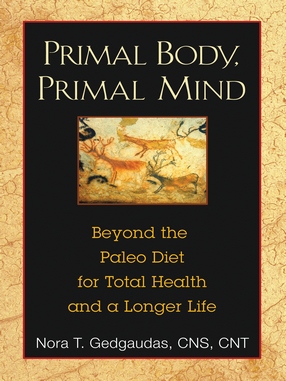
Nearly all the so-called research condemning saturated fat was based on combined effects of both naturally saturated fats and trans-fats in studies—each of which have literally opposite effects on the body. Naturally saturated fat (a regular part of the human diet for a good 2.6 million years) has been unjustly vilified by inaccurate association. Early researchers assumed they were the same thing since both were saturated fats (one naturally, one artificially) so everything got lumped together. I go into this at considerable length in my book, Primal Body-Primal Mind.
So you see, the answer isn’t necessarily simple but all this sure is incredibly important to understand and clarify. Old myths often die hard, but myths regarding the “unhealthy” nature of saturated fats DO need to die, once and for all. We all need dietary fat (including saturated fat) for the health of our brains, nervous systems, hearts (yes, hearts), muscles, cells, endocrine and neurotransmitter function and for primary energy. The only macronutrient (i.e., protein, fats and carbohydrates) for which there is literally a ZERO human dietary requirement is carbohydrates. We can manufacture literally every molecule of glucose we need form a combination of fat and protein in the diet.
Saturated fats have been unjustly maligned, misrepresented and generalized for far, far too long.
I hope this helps!
~ Nora
Listen to Nora on Primal Body Primal Mind Radio
Nora’s Facebook Fan Page
Sign up for my newsletter

Primal Body Primal Mind